


Summary
- Yellen lauds months of ‘hard work’ to strike deal
- Price cap to hurt Russia’s main source of revenue -Yellen
- Poland supports price cap after asking for extra conditions
- G7’s price cap plans to cut Russia’s oil income
The Group of Seven (G7) countries and Australia on Friday said they had decided on a $60 per barrel price cap on Russian seaborne crude oil after European Union members suppressed resistance from Poland and thrashed out a political agreement earlier in the day.
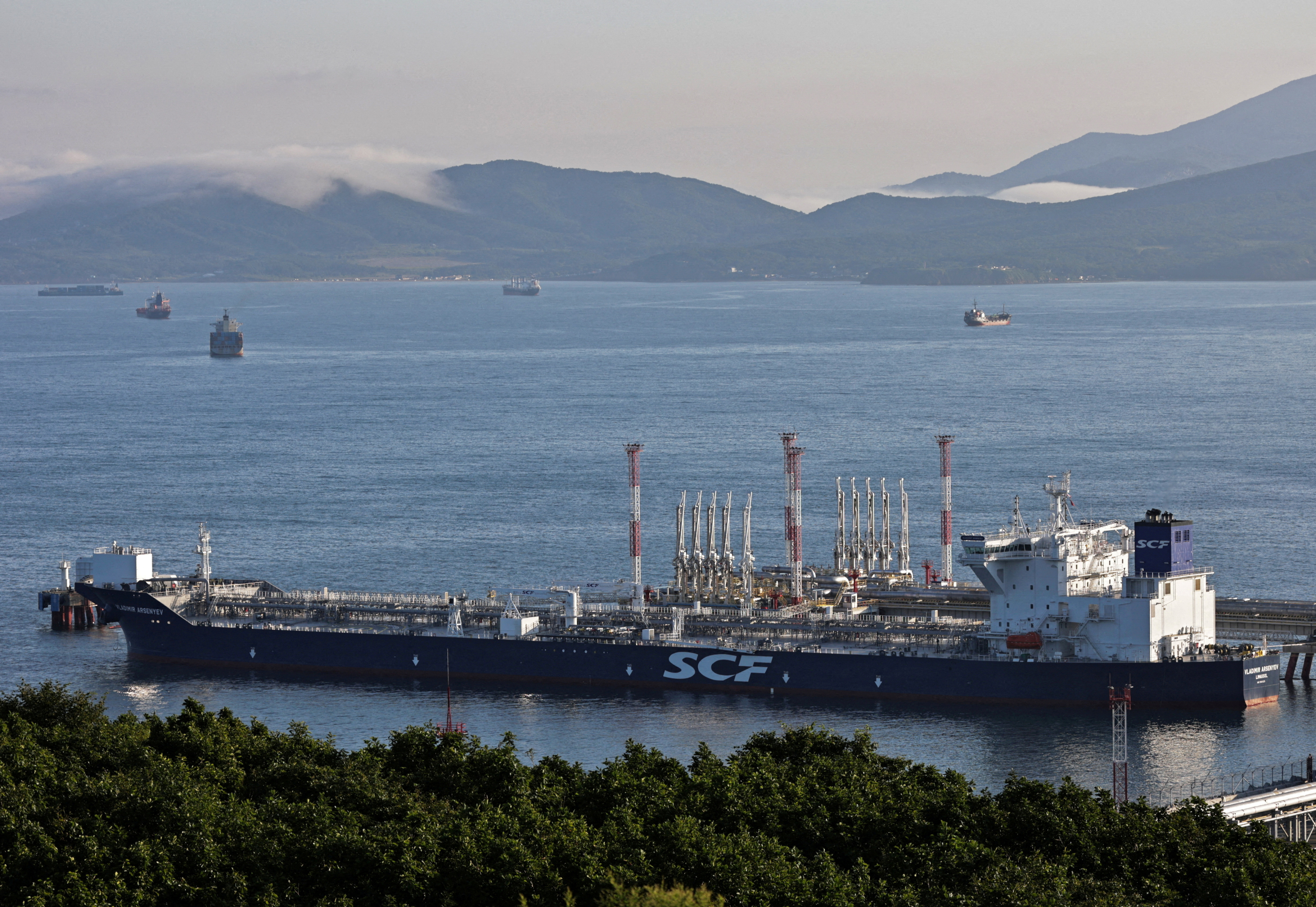
In that context, the EU decided the price after holdout Poland offered its support, smoothing the path for formal approval over the weekend. The G7 and Australia said in a statement the price cap would come into effect on Dec. 5 or very soon thereafter.
These nations said they projected that any revision of the price would include a form of grandfathering to enable compliant transactions concluded ahead of the change.
“The Price Cap Coalition may also consider further action to ensure the effectiveness of the price cap,” the statement read. No details were immediately accessible on what further measures could be taken.
This price cap, a G7 idea, plans to shrink Russia’s income from selling oil, while hampering a spike in global oil prices after an EU ban on Russian crude comes into effect on Dec. 5.
Warsaw had opposed the proposed level as it analyzed an adjustment mechanism to maintain the cap below the market price. It had urged EU negotiations for the cap to be as low as possible to squeeze revenues to Russia and limit Moscow’s ability to fund its war in Ukraine.
Polish Ambassador to the EU Andrzej Sados on Friday told reporters Poland had supported the EU deal, which comprised a mechanism to maintain the oil price cap at least 5% below the market rate. U.S. officials said the agreement was unprecedented and indicated the resolve of the coalition resisting Russia’s war.
A spokesperson for the Czech Republic, which occupies the rotating EU presidency and directs EU countries’ negotiations, said it had started the written procedure for all 27 EU states to formally approve the deal, following Poland’s approval.
Details of the deal are expected to be disclosed in the EU legal journal on Sunday.
EU Eyes Huge Hit On Russian Revenues
European Commission President Ursula von der Leyen said the price cap would greatly shrink Russia’s revenues.
“It will help us stabilize global energy prices, benefiting emerging economies around the world,” von der Leyen said on Twitter, adding that the cap would be “adjustable over time” to respond to market developments.
The G7 price cap will permit non-EU countries to keep importing seaborne Russian crude oil, but it will forbid shipping, insurance, and re-insurance firms from handling cargoes of Russian crude across the world, unless it is sold below the price cap.
Because most major shipping and insurance firms are located in G7 countries, the price cap would make it very difficult for Moscow to sell its oil above that price. U.S. Treasury Secretary Janet Yellen said the cap will specifically benefit low- and medium-income states that have borne the load of surging energy and food prices.
Yellen said in a statement:
“With Russia’s economy already contracting and its budget increasingly stretched thin, the price cap will immediately cut into Putin’s most important source of revenue.”
A top U.S. Treasury Department official notified reporters on Friday that the $60 per barrel price cap on Russian seaborne crude oil will ensure global markets are well supplied while “institutionalizing” discounts caused by the threat of such a limit.

The chair of the Russian lower house’s foreign affairs committee informed Tass news agency on Friday the European Union was destroying its own energy security.
The original G7 proposal a week ago was for a price cap of $65-$70 per barrel with no adjustment mechanism. Since Russian Urals crude already traded lower, Poland, Estonia, and Lithuania demanded a lower price.
Buy Crypto NowRussian Urals crude traded at nearly $67 per barrel on Friday.
EU nations have disagreed for days over the details, with those nations adding conditions to the deal – including that the price cap will be revised in mid-January and every two months henceforth, according to diplomats and an EU document seen by Reuters on Thursday.
The document also said a 45-day transitional period would affect vessels transporting Russian crude that was loaded before December 5 and unloaded at its final destination by January 19, 2023.


