


Written by Steven Hansen
The U.S. new cases 7-day rolling average are 16.6 % LOWER than the 7-day rolling average one week ago and U.S. deaths due to coronavirus are now 4.5 % LOWER than the rolling average one week ago. Today’s posts include:
- U.S. Coronavirus New Cases are 51,938
- U.S. Coronavirus deaths are at 764
- U.S. Coronavirus immunizations have been administered to 69 doses per 100 people.
- The 7-day rolling average rate of growth of the pandemic shows new cases worsened and deaths worsened
- Cloth face coverings can be as effective as surgical masks at protecting against COVID-19
- India’s deadly virus surge follows crowded events
- Is a variant to blame for India’s deepening Covid-19 crisis?
- Swollen lymph nodes following COVID-19 vaccination could mean you already had virus
- Facial Paralysis After COVID-19 Vaccines
- Single COVID-19 vaccine dose can reduce household transmission by up to half: researchers
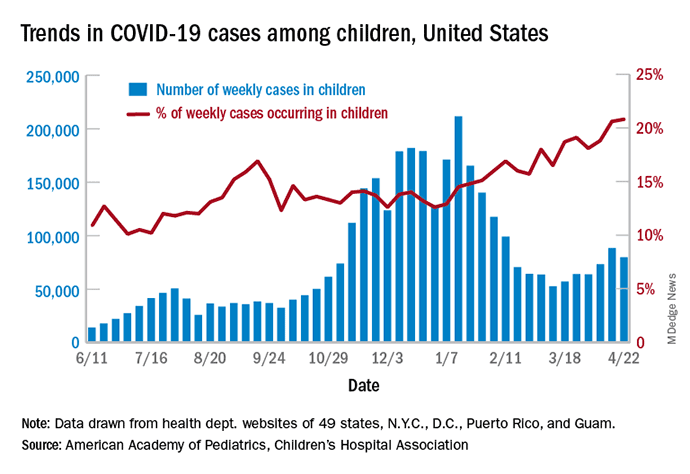
- New Cases of COVID-19 Decline in Children
- How a SARS-CoV-2 variant sacrifices tight binding for antibody evasion
- The world is hungry for mRNA COVID vaccines like Pfizer’s. But we’re short of vital components
- Lots of additional headlines.

include($_SERVER[‘DOCUMENT_ROOT’].’/pages/coronavirus1.htm’); ?>
Hospitalizations Are The Only Accurate Gauge
Hospitalizations historically appear to be little affected by weekends or holidays. The hospitalization growth rate trend is improving.

source: https://gis.cdc.gov/grasp/covidnet/COVID19_3.html
Historically, hospitalization growth follows new case growth by one to two weeks.
As an analyst, I use the rate of growth to determine the trend. But, the size of the pandemic is growing in terms of real numbers – and if the rate of growth does not become negative – the pandemic will overwhelm all resources.
The graph below shows the rate of growth relative to the growth a week earlier updated through today [note that negative numbers mean the rolling averages are LOWER than the rolling averages one week ago]. As one can see, the rate of growth for new cases peaked in early December 2020 for Thanksgiving, and early January 2021 for end-of-year holidays – and it now shows that the coronavirus effect is lower.

In the scheme of things, new cases decline first, followed by hospitalizations, and then deaths.
The New Variants Are The Primary Cause Of This Fourth Wave
Even with vaccinations picking up, the fourth wave is now underway.
- the more people that are vaccinated reduces the pool of people that can be infected. Today we have removed over 69 % of the population from being infected which theoretically should reduce the infection rate by 69 % [it is unproven whether the vaccines prevent a vaccinated person from being a carrier of the virus even though showing no signs]. If the vaccines are shown to stop transmission, then in theory it would reduce the infection rate by double the percent vaccinated [in this case you prevent your own infection and do not pass it along to another].
- it is also unknown what the effective rate of the current vaccines is against mutations that seem to appear almost daily. As an example, if the effective rate drops to 60%, it means the 69 % reduction in the infection rate discussed above is almost cut in half. The South African and Brazilian variant is reported somewhat immune to the current vaccines.
- In theory, the pandemic should be over immediately if everyone could be vaccinated today. The problem is that every day brings a new mutation (which would not appear if the pandemic was stopped). The longer the immunization process takes – the more ineffective the vaccine will become.
- It is not clear whether the vaccine prevents those vaccinated from spreading the virus. It seems to be well documented that it normally stops the virus from taking hold and when it does not – the infection is mild.
The real question is to what extent the vaccines will be mitigating this surge.
Coronavirus News You May Have Missed

Here’s Who Might Want to Avoid the J&J COVID Shot – MedPage
Patients with a prior history of an episode of an immune-mediated syndrome characterized by thrombocytopenia and thrombosis, such as heparin-induced thrombocytopenia, should avoid the Johnson & Johnson COVID-19 vaccine in the immediate aftermath of their illness, CDC staff said in a call with clinicians Tuesday.
Because the etiology of thrombosis and thrombocytopenia syndrome (TTS) appears similar to heparin-induced thrombocytopenia, patients with a similar immune-mediated syndrome should be offered another FDA-authorized COVID-19 vaccine for at least 90-180 days after their illness resolves.
While women under age 50 can receive any authorized COVID-19 vaccine, they have an increased risk of TTS associated with the Johnson & Johnson vaccine. CDC staff noted they should “be aware of the rare risk of TTS” and may opt for one of the other authorized vaccines, such as the mRNA vaccines from Pfizer and Moderna.
However, there were no such caveats for patients with risk factors for venous thromboembolism (VTE), or a prior history of thromboses not associated with thrombocytopenia. CDC staff noted the biologic mechanisms for VTE and arterial thrombi were different from the “underlying immune mechanism” for heparin-induced thrombocytopenia.
Therefore, these patients were unlikely to be at increased risk for TTS, they said.
Pregnant women can also receive the Johnson & Johnson COVID-19 vaccine. While thrombosis risk is higher during pregnancy and postpartum, as well as with hormonal contraception, “experts believe these factors do not make people more susceptible to TTS,” CDC staff noted.
Sara Oliver, MD, of the CDC, urged people taking aspirin or anticoagulants as part of their routine medications to not stop taking them prior to the Johnson & Johnson COVID-19 vaccine, nor should people start taking these medications prior to receiving Johnson & Johnson or any other COVID-19 vaccine.
Clinicians asked whether patients with a history of stroke or risk factors for stroke should avoid the vaccine. Oliver said because the phenomenon appears to be immune-mediated, “people who have a history of other embolic events, including stroke, do not appear to be at increased risk for developing” TTS, and there were no recommendations for people with a history of stroke to avoid this vaccine.
Similarly, those with other risk factors, such as smoking or obesity, did not appear to be at increased risk of developing these rare blood clots.
Oliver added that CDC has partnered with the American Society of Hematology about diagnosis of TTS and treatment-specific recommendations for patients.
India’s deadly virus surge follows crowded events – AP
India’s death toll from COVID-19 has surpassed 200,000 as a virus surge sweeps the country, rooted in so-called super-spreader events that were allowed to happen in the months after India thought it had the pandemic under control.
Now India is enduring its darkest chapter yet, with mass funeral pyres, burials and a collapse of the health system compounded by shortages of oxygen, ventilators, and hospital beds.
Fueling the catastrophe were a series of crowded events, like mass rallies by politicians such as Prime Minister Narendra Modi, religious holidays and pilgrimages on the River Ganges, where people relaxed their vigilance and didn’t wear masks or keep their social distance.
The health ministry on Wednesday reported 3,293 deaths in the last 24 hours, bringing India’s total fatalities to 201,187. The deaths and the confirmed cases of 17.9 million are thought to be undercounts.
Now the surge is sending its health system toward collapse. Hospitalizations and deaths have reached record highs. Patients are suffocating because hospitals are using up their oxygen supplies. Fires at overwhelmed crematoriums are lighting up night skies.
How a SARS-CoV-2 variant sacrifices tight binding for antibody evasion – EurekAlert
The highly infectious SARS-CoV-2 variant that recently emerged in South Africa, known as B.1.351, has scientists wondering how existing COVID-19 vaccines and therapies can be improved to ensure strong protection. Now, researchers reporting in ACS’ Journal of Medicinal Chemistry have used computer modeling to reveal that one of the three mutations that make variant B.1.351 different from the original SARS-CoV-2 reduces the virus’ binding to human cells — but potentially allows it to escape some antibodies.
Since the original SARS-CoV-2 was first detected in late 2019, several new variants have emerged, including ones from the U.K., South Africa and Brazil. Because the new variants appear to be more highly transmissible, and thus spread rapidly, many people are worried that they could undermine current vaccines, antibody therapies or natural immunity. Variant B.1.351 bears two mutations (N501Y and E484K) that can enhance binding between the receptor binding domain (RBD) of the coronavirus spike protein and the human ACE2 receptor. However, the third mutation (K417N; a lysine to asparagine mutation at position 417) is puzzling because it eradicates a favorable interaction between the RBD and ACE2. Therefore, Binquan Luan and Tien Huynh from IBM Research wanted to investigate potential benefits of the K417N mutation that could have caused the coronavirus to evolve along this path.
The researchers used molecular dynamics simulations to analyze the consequences of the K417N mutation in variant B.1.351. First, they modeled binding between the original SARS-CoV-2 RBD and ACE2, and between the RBD and CB6, which is a SARS-CoV-2-neutralizing antibody isolated from a recovered COVID-19 patient. They found that the original amino acid, a lysine, at position 417 in the RBD interacted more strongly with CB6 than with ACE2, consistent with the antibody’s therapeutic efficacy in animal models. Then, the team modeled binding with the K417N variant, which changes that lysine to an asparagine. Although this mutation reduced the strength of binding between the RBD and ACE2, it decreased the RBD’s binding to CB6 and several other human antibodies to a much greater extent. Thus, variant B.1.351 appears to have sacrificed tight binding to ACE2 at this site for the ability to evade the immune system. This information could prove useful to scientists as they work to enhance the protection of current vaccines and therapies, the researchers say.
Study examines mRNA COVID-19 vaccine’s effectiveness across age and gender – News-Medical
A team of scientists from Estonia has recently characterized the anti-severe acute respiratory syndrome coronavirus 2 (SARS-CoV-2) antibody response induced by an mRNA-based coronavirus disease 2019 (COVID-19) vaccine in relation to age, sex, and side-effects.
The findings reveal that although the two-dose vaccine regimen initially induces robust antibody response in all age groups, older male individuals are particularly associated with a gradual decline in vaccine-induced immunity six weeks after the second vaccine dose. The study is currently available on the medRxiv* preprint server.
… By estimating serum antibody titers, the scientists observed that compared to the baseline values, the anti-spike RBD antibody levels increased three weeks after the first vaccine dose. The antibody levels peaked at one week after the second dose, followed by a gradual decline. Specifically, they observed a 45% reduction in antibody level between one and six weeks after the second dose. The majority of volunteers showed a similar trend of declining antibody levels. However, only 4% of volunteers exhibited increased antibody levels at six weeks after the second dose.
Interestingly, they observed that the IgG-specific anti-spike RBD antibody levels in COVID-19 recovered patients were significantly lower than observed in volunteers who received the second vaccine dose. However, volunteers immunized with only the first dose showed relatively lower antibody levels than COVID-19 recovered patients.
… The study findings reveal a robust antibody response among healthy volunteers immunized with Pfizer/BioNTech mRNA-based COVID-19 vaccine. This observation further strengthens the effectiveness of mRNA-based vaccines in controlling the COVID-19 pandemic.
Furthermore, the study indicates that the vaccine is relatively less effective in older males than older females. However, older people are less susceptible to have vaccine-related side-effects than younger people.
Trend Reversed: New Cases of COVID-19 Decline in Children – Medscape
New cases of COVID-19 dropped among children for just the second time in the past 6 weeks, but that was not enough to reverse the trend in children’s share of the weekly total, according to a report from the American Academy of Pediatrics and the Children’s Hospital Association.
Single COVID-19 vaccine dose can reduce household transmission by up to half: researchers – The Hill
A single dose of the COVID-19 vaccine can limit household transmission by up to half, according to a study by Public Health England released on Wednesday, signaling the effectiveness of the vaccines at preventing spread.
The research, which has yet to be peer-reviewed, found that people who got COVID-19 three weeks after receiving one dose of either the Pfizer-BioNTech or AstraZeneca vaccines were between 38 percent and 49 percent less likely to give the virus to those in their household, compared to those who didn’t receive any vaccine dose.
Public Health England analyzed more than 57,000 contacts from 24,000 households in which a person who had received a vaccine dose tested positive for the virus and compared it with almost 1 million contacts of cases among unvaccinated people.
Cases among household contacts were considered secondary cases if they received a positive COVID-19 test two to 14 days after the initial case.
The researchers found protection was present about 14 days after vaccination and remained steady despite the different ages of cases or contact. The measured protection is in addition to the 60 percent to 65 percent decreased risk of the vaccinated person developing symptomatic COVID-19 four weeks after one dose.
The world is hungry for mRNA COVID vaccines like Pfizer’s. But we’re short of vital components – Menafn
The Conversation) Given the AstraZeneca COVID-19 vaccine is no longer recommended for under-50s following news of very rare blood clots , Australia is looking to other vaccines to plug the gap.
Pfizer’s mRNA vaccine will become the mainstay of the rollout, with 40 million doses expected to arrive before year’s end.
But Australia isn’t the only country eager to get its hand on this vaccine.
Skyrocketing demand coupled with shortages of vital components is leading to bottlenecks in the supply chain of this and other mRNA vaccines, delaying vaccine supplies.
The Victorian government also announced last week it would provide A$50 million to set up local manufacturing of mRNA vaccines in Australia. It’s feasible supply chain issues could also impact local manufacturing of mRNA vaccines.
So what are the missing supplies for making mRNA vaccines?
… The first shortage is in sterile, single-use plastic bags which sit inside the metal reactor vessels used for making the mRNA, almost like a bin liner. Several suppliers of these plastic liners are ramping up production so it’s anticipated this shortage won’t last too long.
… The second main shortage relates to ‘capping’ the mRNA at one end. Capping involves adding a chemical molecule to the mRNA which stops the mRNA breaking down too quickly and helps our cells use the mRNA to make protein. Early on during the worldwide upscaling of mRNA manufacturing, rumours abounded that the enzymes and raw materials to make the mRNA cap were running short, given related enzymes used for COVID tests were also in short supply. However, while only a few players dominate the field , this doesn’t seem to be a bottleneck now. But it does still remain one of the most costly parts of the mRNA production process .
… The main bottleneck right now is the supply of some of the lipids making the nanoparticles that protect the mRNA and deliver it into our cells.
Is a variant to blame for India’s deepening Covid-19 crisis? – New York Times
Doctors, the public and the media are citing anecdotal — but inconclusive — evidence to suggest that a homegrown variant called B.1.617 is driving the country’s worsening outbreak. But researchers outside of India say the limited data so far suggests instead that a better-known variant, B.1.1.7., that walloped Britain late last year may be a more considerable factor.
Authorities in India reported nearly 3,300 daily deaths on Wednesday. That brings the official total to nearly 201,200 people lost, though experts believe the true figure is much higher. Daily new infections also surged to nearly 357,700, another record.
The presence of the variant could complicate the taming of India’s Covid-19 disaster. A number of doctors point to anecdotal evidence that people who have been fully vaccinated are getting sick.
“The current wave of Covid has a different clinical behavior,” said Dr. Sujay Shad, a senior cardiac surgeon at Sir Ganga Ram Hospital, where two of the doctors needed supplemental oxygen to recover. “It’s affecting young adults. It’s affecting families. It’s a new thing altogether. Two-month-old babies are getting infected.”
Scientists say that different variants seem to dominate specific parts of India. For instance, the B.1.617 variant has been detected in a large number of samples from the central state of Maharashtra while the B.1.1.7 variant is rising quickly in New Delhi.
“There are variants that are more transmissible than what we all coped with a year ago,” said Dr. Jeffrey Barrett, director of the Covid-19 genomics initiative at the Wellcome Sanger Institute in Britain. “Things can change really quickly, so if a country doesn’t react quickly enough, things can go from bad to very bad very quickly.”
Swollen lymph nodes following COVID-19 vaccination could mean you already had virus, study suggests – Fox
Since the rollout of the COVID-19 vaccine, public health officials have warned of the possible side effects following vaccination, such as pain at the injection site, fever, or muscle aches, among others. But a new study suggests that some recipients may experience swollen lymph nodes after receiving the jab, a side effect that the researchers found was more common among those who already had a coronavirus infection.
Researchers in a study recently published to the preprint server medRxiv analyzed some 947 health care workers in the United Kingdom who received their first dose of the Pfizer-BioNTech COVID-19 vaccine. About 265 of those health care workers had already been infected with the novel virus prior to vaccination, the study authors said.
The study, which has not yet been peer-reviewed, found that lymphadenopathy (swollen lymph nodes) was more common in those who were previously infected with the novel virus. About 4% of those who had already battled COVID-19 reported this side effect post-vaccination, compared to the less than 1% of those who were not previously infected.
What’s more, other side effects such as fever, fatigue, muscle, and joint pain were more common among those previously infected, with 8% of those with a previous COVID-19 infection reporting fever as a side effect. Meanwhile, just 2% of those who had never been infected said they experienced a fever.
Facial Paralysis After COVID-19 Vaccines: What We Know – MedPage
Pfizer-BioNTech and Moderna COVID-19 vaccines did not have a higher reported rate of facial paralysis than other viral vaccines, an analysis of pharmacovigilance data suggested.
The mRNA vaccines showed no higher safety signal for either narrowly or broadly defined facial paralysis in VigiBase, the World Health Organization pharmacovigilance database, reported Charles Khouri, PharmD, of University Grenoble Alpes in France, and co-authors, in JAMA Internal Medicine.
“While spontaneously reversible in the vast majority of cases, facial paralyses are serious and debilitating adverse drug reactions,” Khouri told MedPage Today. “Should a link be established, this adverse reaction has the potential to hamper the vaccination campaign.”
During the phase III Pfizer-BioNTech and Moderna trials, seven cases of facial paralysis or Bell’s palsy were reported in the vaccine groups (7 of 35,654), and one case was seen in the placebo groups (1 of 35,611). A causal relationship was not established, but the FDA recommended that vaccine recipients be monitored.
The VigiBase findings are “welcome news as a slight imbalance was apparent in the phase III clinical trials of both mRNA vaccines, suggesting a potential safety signal,” noted Gregory Poland, MD, of the Mayo Clinic in Rochester, Minnesota, who wasn’t involved with the analysis.
“However, no clear signals have been detected in any of the U.S. vaccine safety surveillance systems as suggesting any elevated rate over any other vaccine or background,” Poland told MedPage Today. “In fact, the only time facial paralysis has been correlated with vaccines has been in association with those that used E. coli heat-labile toxin as an adjuvant, e.g., the intranasal inactivated influenza vaccine.”
Cloth face coverings can be as effective as surgical masks at protecting against COVID-19 – EurekAlert
Researchers from the Universities of Bristol and Surrey have found that well-fitting, three-layered cloth masks can be as effective at reducing the transmission of COVID-19 as surgical masks.
At the height of the COVID-19 pandemic, 139 countries mandated the use of face coverings in public space such as supermarkets and public transports. The World Health Organization also advises the use of face coverings and offers guidance on their effective features. Face coverings suppress the onward transmission of COVID-19 through exhalation and protect the wearer on inhalation.
In a paper published by the Physics of Fluids journal, the researchers detail how they looked at how liquid droplets are captured and filtered out in cloth masks by reviewing and modelling filtration processes, including inertial impaction.
Inertial impaction does not filter as a sieve or colander does – it works by forcing the air in your breath to twist and turn inside the mask so much that the droplets can’t follow the path of the air. Instead, the droplets crash into fibres inside the mask to prevent inhalation.
The team found that, under ideal conditions and dependent on the fit, three-layered cloth masks can perform similarly to surgical masks for filtering droplets – with both reducing exposure by around 50 to 75 per cent. For example, if an infected person and a healthy individual are both wearing masks, scientists believe this could result in up to 94 per cent less exposure.
The following are foreign headlines with hyperlinks to the posts
The E.U. seals a deal with Pfizer to speed up vaccinations.
Brazil’s health authority rejected Russia’s Covid vaccine even though scientific research suggests it is safe and effective.
India tops 200,000 dead as virus surge breaks health system
The UK will send three mobile “oxygen factories” that produce enough oxygen per minute to support 50 people at a time, as it battles a devastating second wave of the coronavirus pandemic, the British government announced on Wednesday.Just 1.5% of Indians Have Received Both COVID Vaccine Doses
COVID-19 kills three journalists a day in India, 45 in last two weeks
India accounted for 38% of global coronavirus cases last week, WHO says
Fauci says India’s homegrown Covid-19 vaccine found to neutralize variant first detected in India
Delhi’s crematoriums say they are cremating more than 600 bodies daily – double the official figure
Heartbreaking Video Shows Sons Forced to Transport Mom’s Body by Motorbike
Indian City Using Dog Crematorium for Humans as COVID Death Toll Skyrockets
Canada’s first death of a patient with cerebral thrombosis after receiving the AstraZeneca vaccine was reported in Quebec.
Athletes At Tokyo Olympics To Be Tested Daily For Coronavirus, Officials Say
Olympic Athletes Must Use Tracking App to Monitor Activity Prior to Games
UK purchases additional 60 million Pfizer/BioNtech doses for booster program
Sri Lanka enacts lockdowns across the country as cases hit record numbers
The following additional national and state headlines with hyperlinks to the posts
Brazilian coronavirus variant likely to be more transmissible and able to evade immunity
Republican members of Congress with medical training released a video urging Americans to get vaccinated. Vaccine skepticism is higher among Republican voters than Democrats.
New cases of COVID-19 in the U.S. fell 16% last week and deaths were at their lowest since October
15 Oregon counties, including parts of Portland, will move to “extreme risk” COVID-19 restrictions starting Friday, the governor’s office said.
And in Colorado, cases are rising rapidly among children and hospitalizations are spiking in unvaccinated populations.
Updated CDC data show 54% of all adults have had at least their first COVID-19 shot and 37% are fully vaccinated. For people 65 and older, those numbers are 82% and 68%.
CDC reiterated its guidance about the safety of COVID-19 vaccines during pregnancy after it was asked to clarify a remark the CDC director made about the recommendation.
An at-home pill to treat COVID-19 could be available in the U.S. by the end of the year, Pfizer CEO Albert Bourla said. [repeat from yesterday]
A private school in Miami won’t employ anyone who’s received the COVID-19 vaccine.
Vaccinated and ready to hit the gym? Here’s how to assess the risks.
Severe COVID-19 cases can be predicted by new test
Why do we lose our sense smell/taste with COVID?
Only 0.03 percent of vaccinated people test positive for COVID-19, Wisconsin officials say
Montana legislature passes bill to prohibit employers requiring a vaccine
Projections Show U.S. Birth Rate Declined by 4.3% in 25 States in 2020
The U.S. isn’t testing migrants [for COVID] until long after they cross the border.
Larger Moderna Covid-19 vaccine vials expected to reach health departments in late May
Economy will fully recover when pandemic is over, Fed chair says
Today’s Posts On Econintersect Showing Impact Of The Pandemic With Hyperlinks
28 April 2021 FOMC Meeting Statement: Few Changes And No Change To The Federal Funds Rate
What Pandemics Mean For Robots And Inequality
Why Some People Don’t Experience Vaccine Side-effects, And Why It’s Not A Problem
Warning to Readers
The amount of politically biased articles on the internet continues to increase. And studies and opinions of the experts continue to contradict other studies and expert opinions. Honestly, it is difficult to believe anything anymore.

I assemble this coronavirus update daily – sifting through the posts on the internet. I try to avoid politically slanted posts (mostly from CNN, New York Times, and the Washington Post) and can usually find unslanted posts on that subject from other sources on the internet. I wait to publish posts on subjects that I cannot validate across several sources. But after all this extra work, I do not know if I have conveyed the REAL facts. It is my job to provide information so that you have the facts necessary – and then it is up to readers to draw conclusions.
Analyst Opinion of Coronavirus Data
There are several takeaways that need to be understood when viewing coronavirus statistical data:
- The global counts are suspect for a variety of reasons including political. Even the U.S. count has issues as it is possible that as much as half the population has had coronavirus and was asymptomatic. It would be a far better metric using a random sampling of the population weekly. In short, we do not understand the size of the error in the tracking numbers.
- Just because some of the methodology used in aggregating the data in the U.S. is flawed – as long as the flaw is uniformly applied – you establish a baseline. This is why it is dangerous to compare two countries as they likely use different methodologies to determine who has (and who died) from coronavirus.
- COVID-19 and the flu are different but can have similar symptoms. For sure, COVID-19 so far is much more deadly than the flu. [click here to compare symptoms]
- From an industrial engineering point of view, one can argue that it is best to flatten the curve only to the point that the health care system is barely able to cope. This solution only works if-and-only-if one can catch this coronavirus once and develops immunity. In the case of COVID-19, herd immunity may need to be in the 80% to 85% range. WHO warns that few have developed antibodies to COVID-19 when recovering from COVID-19. Herd immunity does not look like an option without immunization although there is now a discussion of whether T-Cells play a part in immunity [which means one might have immunity without antibodies]
- Older population countries will have a significantly higher death rate as there is relatively few hospitalizations and deaths in younger age groups..
- There are at least 8 strains of the coronavirus. California and New York may have a deadlier strain imported from Europe, compared to less deadly viruses elsewhere in the United States.
- Each publication uses different cutoff times for its coronavirus statistics. Our data uses 11:00 am London time. Also, there is an unexplained variation in the total numbers both globally and in the U.S.
What we do or do not know about the coronavirus [actually there is little scientifically proven information]. Most of our knowledge is anecdotal, from studies with limited subjects, or from studies without peer review.
- How many people have been infected as many do not show symptoms?
- Masks do work. Unfortunately, early in the pandemic, many health experts — in the U.S. and around the world — decided that the public could not be trusted to hear the truth about masks. Instead, the experts spread a misleading message, discouraging the use of masks.
- Current thinking is that we develop at least 5 months of immunity from further COVID infection.
- The Moderna and Pfizer vaccines have an effectiveness rate of about 95 percent after two doses. That is on par with the vaccines for chickenpox and measles. The 95 percent number understates the effectivenessas it counts anyone who came down with a mild case of Covid-19 as a failure. But turning Covid into a typical flu — as the vaccines evidently did for most of the remaining 5 percent — is actually a success. Of the 32,000 people who received the Moderna or Pfizer vaccine in a research trial, only one contracted a severe Covid case.
- To what degree do people who never develop symptoms contribute to transmission? Research early in the pandemic suggested that the rate of asymptomatic infections could be as high as 81%. But a meta-analysis, which included 13 studies involving 21,708 people, calculated the rate of asymptomatic presentation to be 17%.
- The accuracy of rapid testing is questioned – and the more accurate test results are not being given in a timely manner.
- Can children widely spread coronavirus? [current thinking is that they are a minor source of the pandemic spread]
- Why have some places avoided big coronavirus outbreaks – and others hit hard?
- Air conditioning contributes to the pandemic spread.
- It appears that there is increased risk of infection and mortality for those living in larger occupancy households.
- Male patients have almost three times the odds of requiring intensive treatment unit (ITU) admission compared to females.
- Outdoor activities seem to be a lower risk than indoor activities.
Treatments with solid scientific support:
- Dexamethasone
- Proning, or turning someone on their stomach
- Remdesivir
- Baricitinib
Treatments with potential but limited evidence:
- ECMO, or extracorporeal membrane oxygenation
- fluvoxamine
- Cyclosporine
- Famotidine
- Intravenous immunoglobulin
- Ivermectin
- Interferons
Drugs shown to be ineffective:
- The combination of lopinavir-ritonavir
- Hydroxychloroquine
- Insulin
- High dose zinc and vitamin C
- Convalescent plasma
- Monoclonal antibodies
- Tocilizumab
- Anti-coagulants
- A current scientific understanding of the way the coronavirus works can be found [here].
There is now a vaccine available – the questions remain:
- will there be any permanent side effects that will appear months from now,
- how long immunity will last [we can currently say we do not know if it will last more than 4 months],
- there is no solid evidence yet the vaccine will block transmission
Heavy breakouts of coronavirus have hit farmworkers. Farmworkers are essential to the food supply. They cannot shelter at home. Consider:
- they have high rates of respiratory disease [occupational hazard]
- they travel on crowded buses chartered by their employers
- few have health insurance
- they cannot social distance and live two to four to a room – and they eat together
- some reports say half are undocumented
- they are low paid and cannot afford not to work – so they will go to work sick
- they do not have access to sanitation when working
- a coronavirus outbreak among farmworkers can potentially shutter entire farm
The bottom line is that COVID-19 so far has been shown to be much more deadly than the data on the flu. Using CDC data, the flu has a mortality rate between 0.06 % and 0.11 % Vs. the coronavirus which to date has a mortality rate of 4 % [the 4% is the average of overall statistics – however in the last few months it has been hovering around 1.0%] – which makes it between 10 and 80 times more deadly. The reason for ranges:
Because influenza surveillance does not capture all cases of flu that occur in the U.S., CDC provides these estimated ranges to better reflect the larger burden of influenza.
There will be a commission set up after this pandemic ends to find fault [it is easy to find fault when a once-in-a-lifetime event occurs] and to produce recommendations for the next time a pandemic happens. Those that hate President Trump will conclude the virus is his fault.
Resources:
- Get the latest public health information from CDC: https://www.coronavirus.gov .
- Get the latest research from NIH: https://www.nih.gov/coronavirus.
- Find NCBI SARS-CoV-2 literature, sequence, and clinical content: https://www.ncbi.nlm.nih.gov/sars-cov-2/.
- List of studies: https://icite.od.nih.gov/covid19/search/#search:searchId=5ee124ed70bb967c49672dad
include(“/home/aleta/public_html/files/ad_openx.htm”); ?>


