


Written by Sig Silber
A negative Arctic Oscillation (AO) early in December and an Active Madden Julian Oscillation (MJO) in the second half of December combined are likely to be good news for those who live in the Eastern Third of CONUS who like cold weather. The far West and part of the Southwest and the Southern Central Plains are likely to be drier than normal for December. The dry area shown in the new December map may turn out to be larger than shown as per my comments in tonight’s report. The prior wet Northern Tier anomaly is gone. Ski equipment and related items may be able to be purchased at sale prices in December.

Please share this article – Go to very top of page, right hand side for social media buttons.
NOAA Update of their Outlook for December
NOAA has, as usual, issued an update for the month following the last day of the prior month. This update was issued on Thursday November 30. In this Update Report, we present the Updated Outlook and compare it to the Early Outlook for December issued on December 16, 2017 two weeks ago. Please note: all small graphics can be enlarged by clicking on them.
| Temperature | Precipitation | |
| Prior Issued on November 16, 2017 |  |  |
| Updated on November 30, 2017 |  |  |
| This is a pretty big change. Reminds me a bit of JAMSTEC which tends to show East/West divides rather than North/South divides for ENSO events. Looks like NOAA is coming around to the JAMSTEC way at looking at things. | Where did the Northern Tier wet anomaly go? And the dry anomaly is shifted west more than slightly. There is reason to believe that the dry anomaly may cover a larger geographic area than shown. |
Here is the NOAA Discussion released with the December Update.
30-DAY OUTLOOK DISCUSSION FOR DECEMBER 2017
THE UPDATED TEMPERATURE AND PRECIPITATION OUTLOOKS FOR DECEMBER 2017 ARE BASED ON THE WPC TEMPERATURE AND PRECIPITATION FORECASTS DURING THE FIRST WEEK OF DECEMBER, THE CPC 8-14 DAY TEMPERATURE AND PRECIPITATION OUTLOOKS, THE LATEST DYNAMICAL MODEL GUIDANCE, AND THE TYPICAL INFLUENCES ASSOCIATED WITH LA NINA. THE MADDEN-JULIAN OSCILLATION (MJO) CONTINUES TO STRENGTHEN WITH ITS ENHANCED (SUPPRESSED) PHASE OVER THE EASTERN INDIAN OCEAN AND MARITIME CONTINENT (WESTERN HEMISPHERE). THE ENHANCED PHASE OF THE MJO IS FORECAST TO PROPAGATE EAST TO THE WEST PACIFIC AND IT MAY INFLUENCE THE CIRCULATION PATTERN AND TEMPERATURES ACROSS THE MID-LATITUDES LATER IN DECEMBER.
A MAJOR LONGWAVE PATTERN CHANGE IS LIKELY TO OCCUR DURING THE FIRST WEEK OF DECEMBER AS A HIGHLY ANOMALOUS UPPER-LEVEL RIDGE BECOMES ANCHORED ALONG THE WEST COAST WITH AN AMPLIFYING UPPER-LEVEL TROUGH DOWNSTREAM OVER EASTERN NORTH AMERICA. FOLLOWING A MILD START TO DECEMBER, THIS MAJOR PATTERN CHANGE IS LIKELY TO USHER IN OUTBREAKS OF BELOW TO MUCH BELOW-NORMAL TEMPERATURES TO THE EASTERN THIRD OF THE CONUS THROUGH AT LEAST MID-DECEMBER. THE D+11 GFS AND ECMWF ENSEMBLE MEANS ON NOV 30 ARE IN EXCELLENT AGREEMENT, MAINTAINING THIS ANOMALOUS LONGWAVE PATTERN. THE 6Z GFS ENSEMBLE MEAN FEATURES A POSITIVE 500-HPA HEIGHT ANOMALY CENTER OF 300 METERS OVER THE ALASKA PANHANDLE WHICH STRONGLY FAVORS A STABLE PATTERN OVER NORTH AMERICA AND BELOW-NORMAL TEMPERATURES ACROSS THE EASTERN U.S. THE GFS ENSEMBLE MEMBERS INDICATE A NEGATIVE ARCTIC OSCILLATION (AO) INDEX THROUGH THE END OF WEEK-2. THE PREDICTED EVOLUTION OF THE MJO IS EXPECTED TO INCREASES THE CHANCES THAT THE BELOW NORMAL TEMPERATURES PERSIST INTO THE LATTER HALF OF THE MONTH. THE CFS MODEL AT WEEKS 3-4 (ENDING ON DEC 28) INDICATES BELOW NORMAL TEMPERATURES FROM THE MISSISSIPPI VALLEY TO THE EAST COAST. BASED ON EXCELLENT MODEL AGREEMENT AND CONTINUITY REGARDING THIS HIGHLY ANOMALOUS PATTERN, BELOW-NORMAL TEMPERATURES ARE FAVORED FOR THE EASTERN THIRD OF THE CONUS. THE HIGHEST ODDS FOR BELOW NORMAL TEMPERATURES ARE FORECAST ACROSS THE UPPER OHIO VALLEY WHERE THE MOST ANOMALOUSLY COLD AIR IS EXPECTED DURING EARLY TO MID-DECEMBER.
THE PERSISTENCE OF A HIGHLY ANOMALOUS RIDGE ALOFT AND EXCELLENT AGREEMENT AMONG TEMPERATURE TOOLS SUPPORT INCREASED CHANCES FOR ABOVE NORMAL TEMPERATURES ACROSS MUCH OF THE WESTERN U.S. PROBABILITIES AND COVERAGE FOR ABOVE NORMAL TEMPERATURES ARE REDUCED ACROSS THE NORTHERN ROCKIES AND NORTHERN GREAT PLAINS COMPARED TO THE DYNAMICAL MODEL GUIDANCE. THIS MODIFICATION IS RELATED TO AN INCREASING CHANCE OF BELOW NORMAL TEMPERATURES AFFECTING THESE AREAS LATER IN THE MONTH, IF THE ENHANCED PHASE OF THE MJO PROPAGATES INTO THE WEST PACIFIC AND INFLUENCES THE MID-LATITUDE CIRCULATION PATTERN. ALTHOUGH PERIODS OF ANOMALOUS COLD ARE EXPECTED TO AFFECT THE GREAT PLAINS DURING DECEMBER, LARGE POSITIVE ANOMALIES AT THE BEGINNING OF THE MONTH AND AN EXPECTED VARIABLE TEMPERATURE PATTERN RESULT IN EQUAL CHANCES (EC) OF BELOW, NEAR, OR ABOVE NORMAL TEMPERATURES FOR THIS REGION.
BELOW-NORMAL PRECIPITATION IS FAVORED ACROSS THE WESTERN U.S. DUE TO THE LIKELIHOOD OF A PERSISTENT UPPER-LEVEL RIDGE THROUGH AT LEAST MID-DECEMBER. LITTLE TO NO PRECIPITATION IS LIKELY FOR CALIFORNIA DURING THE FIRST TWO WEEKS OF THE MONTH. HIGHER PROBABILITIES OF BELOW NORMAL PRECIPITATION WOULD BE FORECAST ACROSS CALIFORNIA, BUT THE CFS MODEL INDICATES AN UPPER-LEVEL TROUGH APPROACHING THE WEST COAST DURING THE WEEKS 3-4 PERIOD. A COLD FRONT, ASSOCIATED WITH THE ONSET OF THE MAJOR PATTERN CHANGE, IS EXPECTED TO RESULT IN PRECIPITATION AMOUNTS OF 0.5 TO 2 INCHES ACROSS THE EASTERN U.S. DURING THE FIRST WEEK OF DECEMBER. FOLLOWING THIS FRONTAL PASSAGE, A PROLONGED PERIOD OF ANOMALOUS NORTHERLY FLOW ENHANCES ODDS FOR BELOW NORMAL PRECIPITATION FROM THE CENTRAL AND SOUTHERN GREAT PLAINS NORTHEAST TO THE MIDDLE MISSISSIPPI VALLEY. THE FAVORED AREA OF BELOW NORMAL PRECIPITATION ACROSS THE SOUTHERN GREAT PLAINS IS CONSISTENT WITH THE ONGOING LA NINA. A LARGER COVERAGE OF INCREASED CHANCES OF BELOW NORMAL PRECIPITATION WOULD BE FORECAST FOR THE EASTERN U.S., BUT PRECIPITATION AT THE BEGINNING OF DECEMBER AND POTENTIAL FOR WAVES OF SURFACE LOW PRESSURE TO DEVELOP WITH THE AMPLIFIED TROUGH LIMIT FORECAST CONFIDENCE ON BELOW NORMAL PRECIPITATION VERIFYING.
A STABLE PATTERN WITH AN ANOMALOUS TROUGH (RIDGE) OVER THE ALEUTIANS (EASTERN ALASKA) AND PERSISTENT SOUTHERLY FLOW AT THE SURFACE ENHANCES ODDS FOR ABOVE NORMAL TEMPERATURES THROUGHOUT ALASKA. PRECIPITATION TOOLS AT ALL TIME LEADS DURING DECEMBER AND THE LONGWAVE PATTERN FAVOR ELEVATED ODDS FOR ABOVE NORMAL PRECIPITATION ACROSS THE ALEUTIANS, SOUTHWEST ALASKA, AND ALONG THE SOUTHERN COAST OF MAINLAND ALASKA. DOWNSLOPING SLOW, ASSOCIATED WITH PERSISTENT SOUTHERLY FLOW OFF THE ALASKA RANGE, TILTS THE ODDS TO BELOW NORMAL PRECIPITATION FOR PARTS OF EASTERN MAINLAND ALASKA.
Where it might be helpful I have extracted some of the commentary from the NOAA Week 3 and 4 Discussion released today.
Week 3-4 Forecast Discussion Valid Sat Dec 16 2017-Fri Dec 29 2017
The precipitation outlook is likewise based on the objective dynamical guidance, which is broadly consistent with the forecast circulation pattern and, to lesser extent, the low-frequency La Nina footprint. Below-normal precipitation is most likely for the central U.S. where anomalous northerly mid-level flow is forecast. This area extends through the Southwest and up the West Coast downstream of the forecast upper-level ridge. There is a slight tilt toward above-normal precipitation centered over the Northern Rockies, where upslope precipitation may become more frequent as surface high pressure noses southward over the High Plains. There remains a great deal of uncertainty over the eastern U.S. where the ultimate position of the mean frontal zone will likely determine precipitation anomalies over the forecast period. Anomalous mid-level flow over southern and southwestern Alaska favors above-normal precipitation south of the Alaska Range, while precipitation deficits are more likely over parts of interior Alaska.
Sometimes it is useful to see how the Monthly forecast fits with the 6 – 10 Day , 6 – 14 Day and Week 3 and 4 forecasts. I do not have a good Map of a 1 – 5 Day forecast.
First Temperature
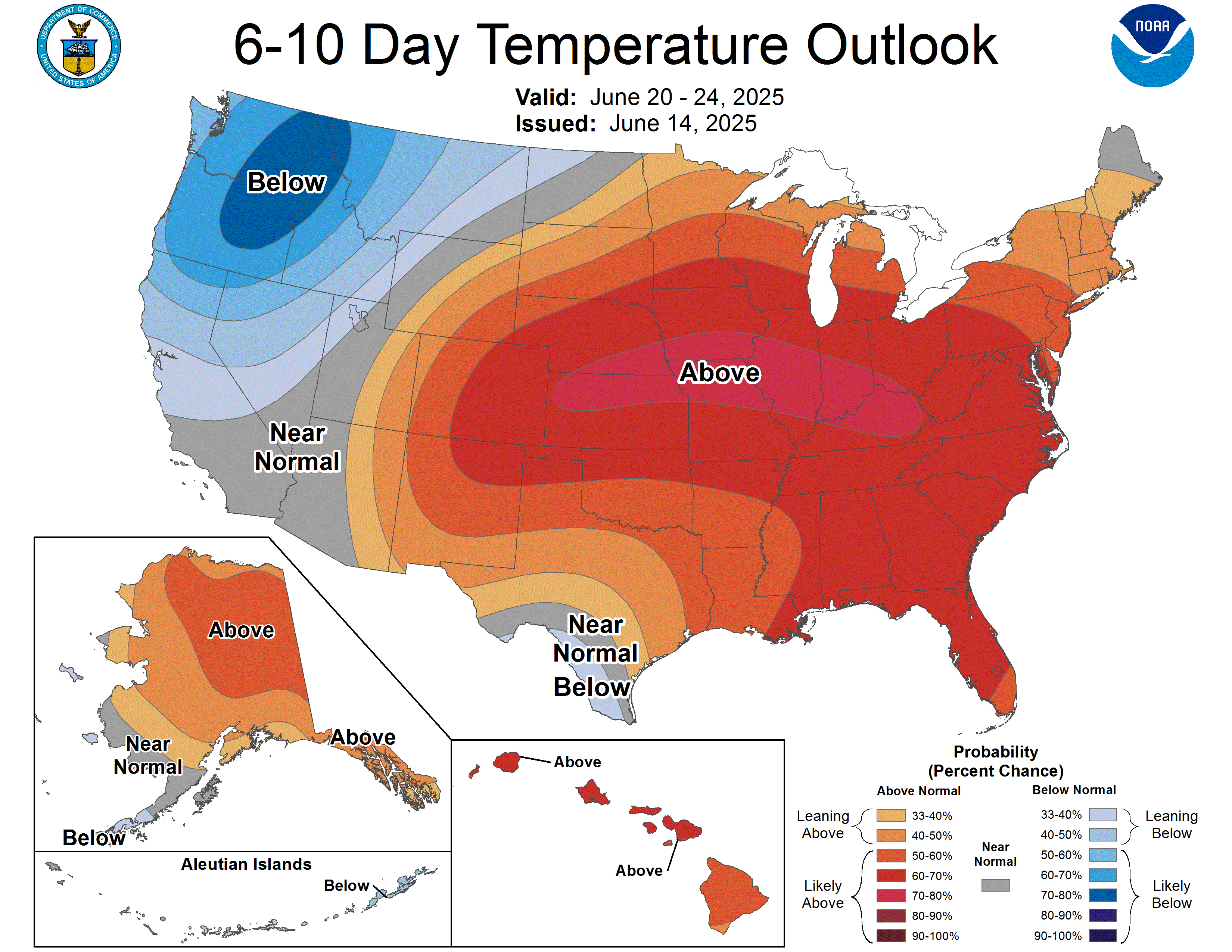 | 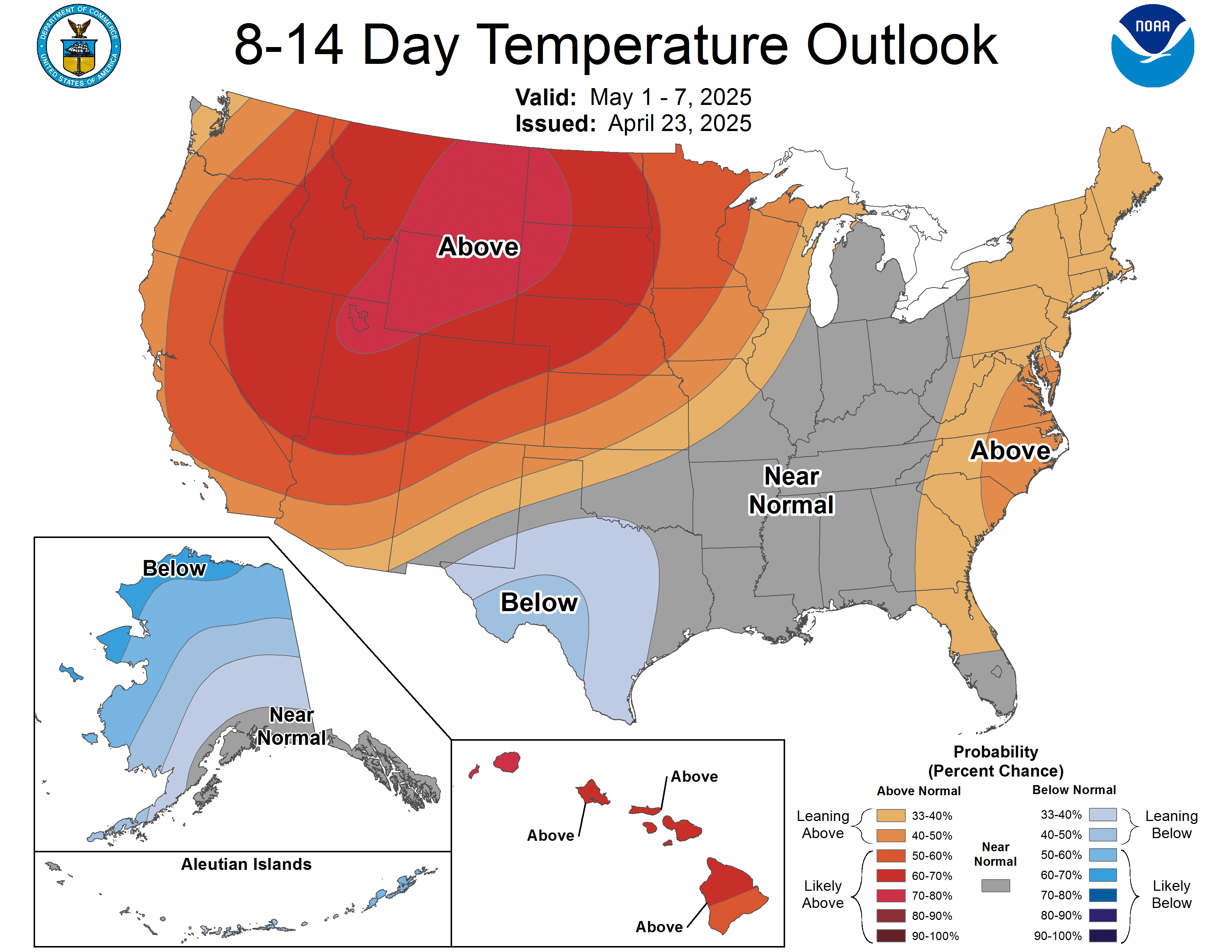 | 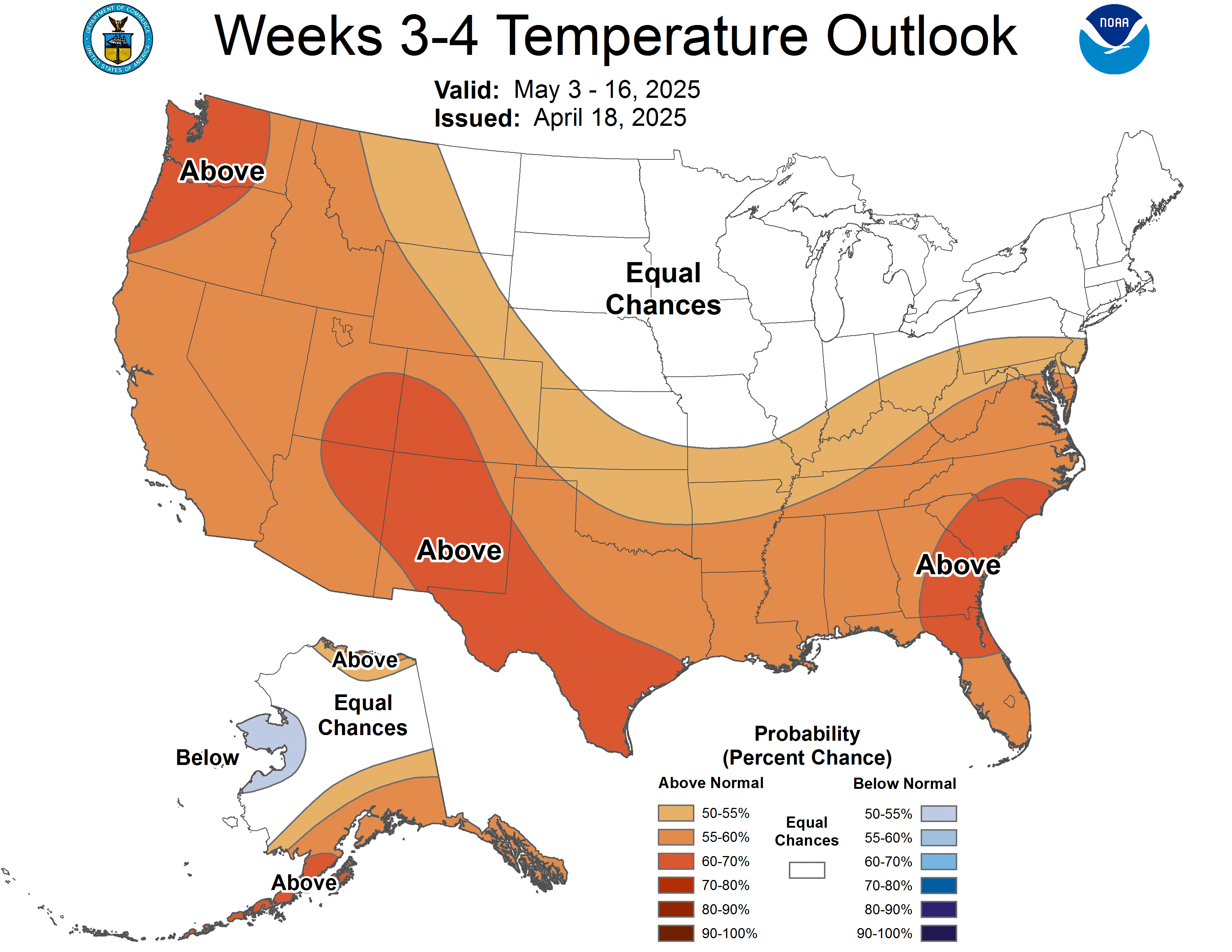 |
| The new monthly forecast is to the right. Does it appear to be reflective of the three parts of the month for which we have forecasts? → |
| ↑ ← It seems to fit together. Meaning that if you believe the forecasts above you should have no problem with the composite. |
And then Precipitation
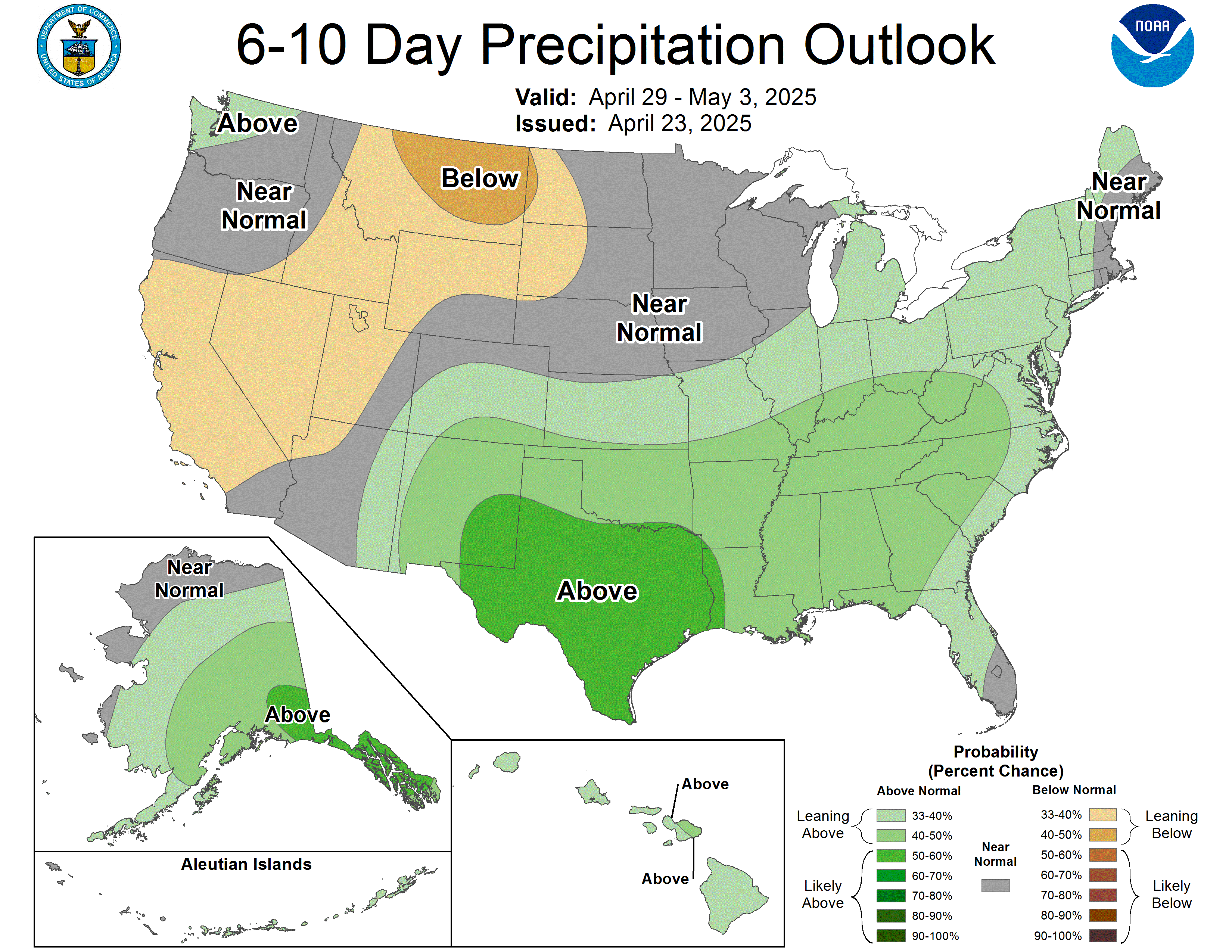 | 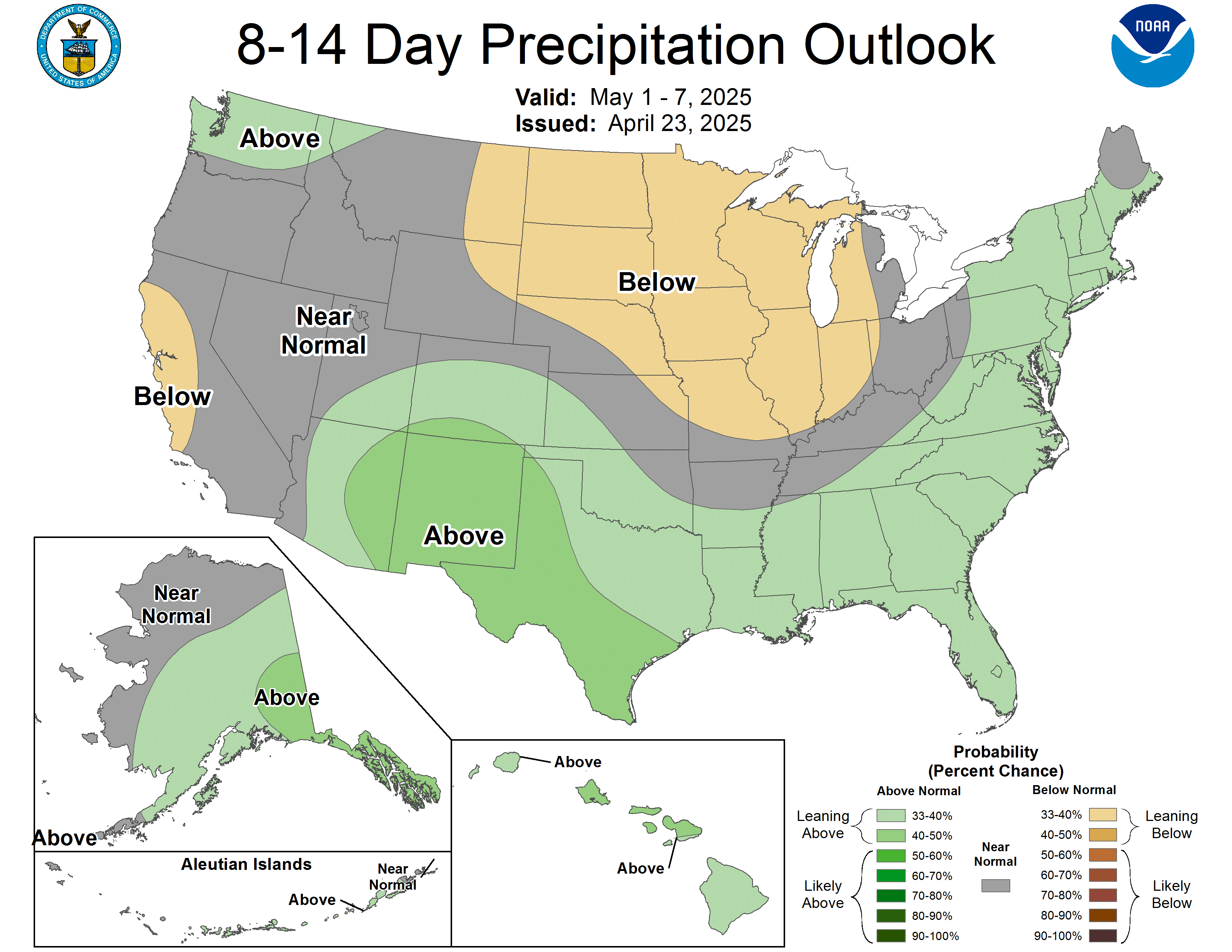 | 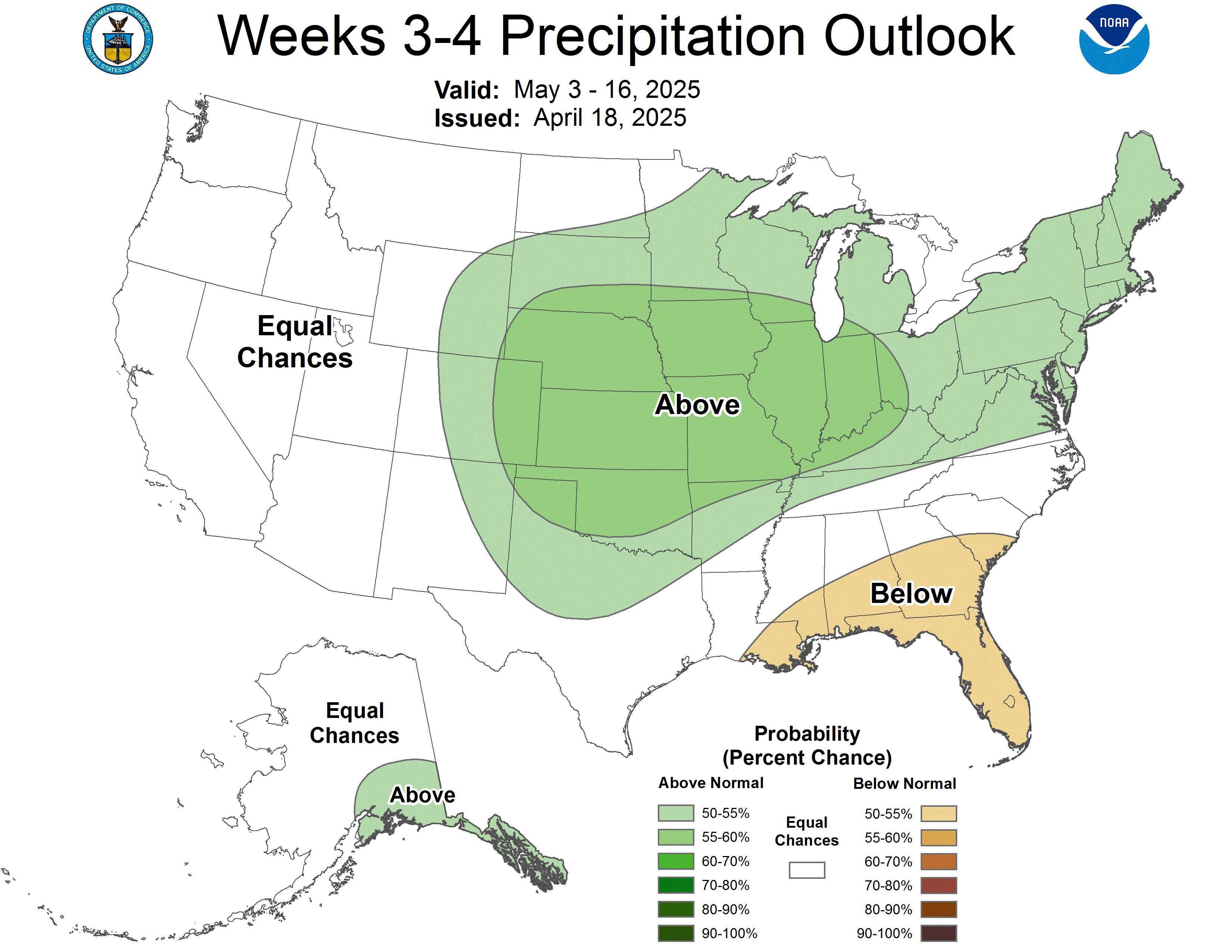 |
| The new monthly forecast is to the right. Does it appear to be reflective of the three parts of the month for which we have forecasts? → | | ↑ ← I have a problem with this one. Alaska looks ok but if you believe that the three short-tem outlooks above are correct, then the full month outlook to the left is not correct unless the first five days of the month produce enough precipitation to average down the sum of the three graphics above. Of course neither forecast may be correct or the short-term forecasts may be too dry but they do not agree with each other very well. |
Sometimes it is useful to compare the present month outlook to the three-month outlook to see what we might learn about the next two months which in this case are January and February 2018.
December 2017 Plus December – February 2017/2018 Outlook

One can mentally subtract the First-Month Outlook from the Three-month Outlook and create the Outlook for the last two months in the three-month period.
*The concept is that the probabilities of a deviation from climatology in the First Month and the combined Month Two and Three forecast that one derives must average out to the probabilities shown in the three-month maps.
For those who missed the Weekly Report which provides additional detail on how this will unfold with respect to the Days 6 – 10, 8 – 14 and weeks 3 and 4, you can access that report here. There will be a new Weekly Report on Monday December 4.
A Look Back at November
For many parts of the U.S. November has been warm and dry record breaking. This is especially true for the Southwest.
The Weather Underground (more specifically Bob Henson in this article) published in their Category 6 Blog the below graphic which was credited to NOAA but I was unable to update it to cover the full month. But here it is.

The numbers are rankings of the average mean temperature in the recent historical records. As you can see there were a number of near records and records through that period and the situation has not changed during the last week of November.
And here is what I was able to generate.
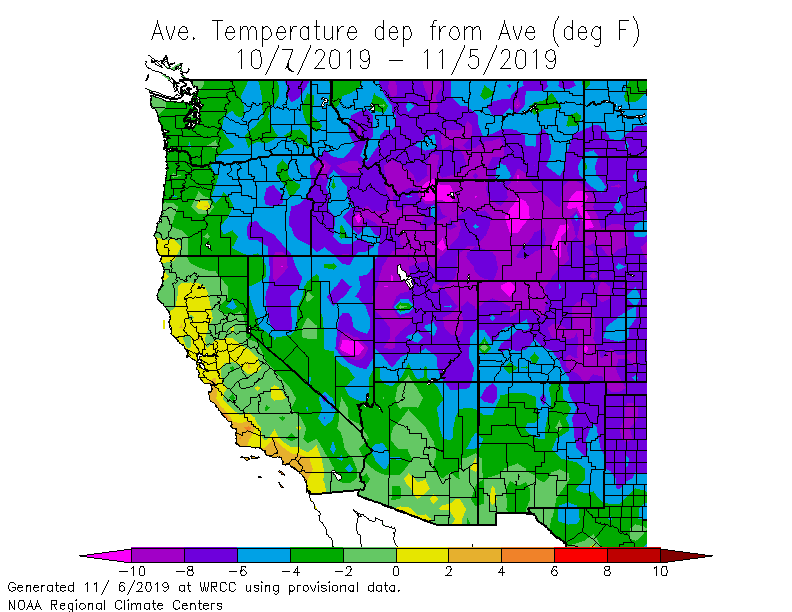
It is certainly a less interesting chart but still it shows that it has been very warm in the Southwest.


