


from The Conversation
— this post authored by Ronan McCarthy, Brunel University London
The heroic efforts of researchers and healthcare professionals globally will eventually help us gain control of the coronavirus pandemic and there will be a decrease in the rate of new infections.

Please share this article – Go to very top of page, right hand side, for social media buttons.
The focus is still rightly on the damage this pandemic is causing, the devastating loss of life and the impact on businesses and livelihoods. But we also need to look at other prevalent crises that are affecting our healthcare systems and anticipate the impact that the COVID-19 pandemic will have on them.
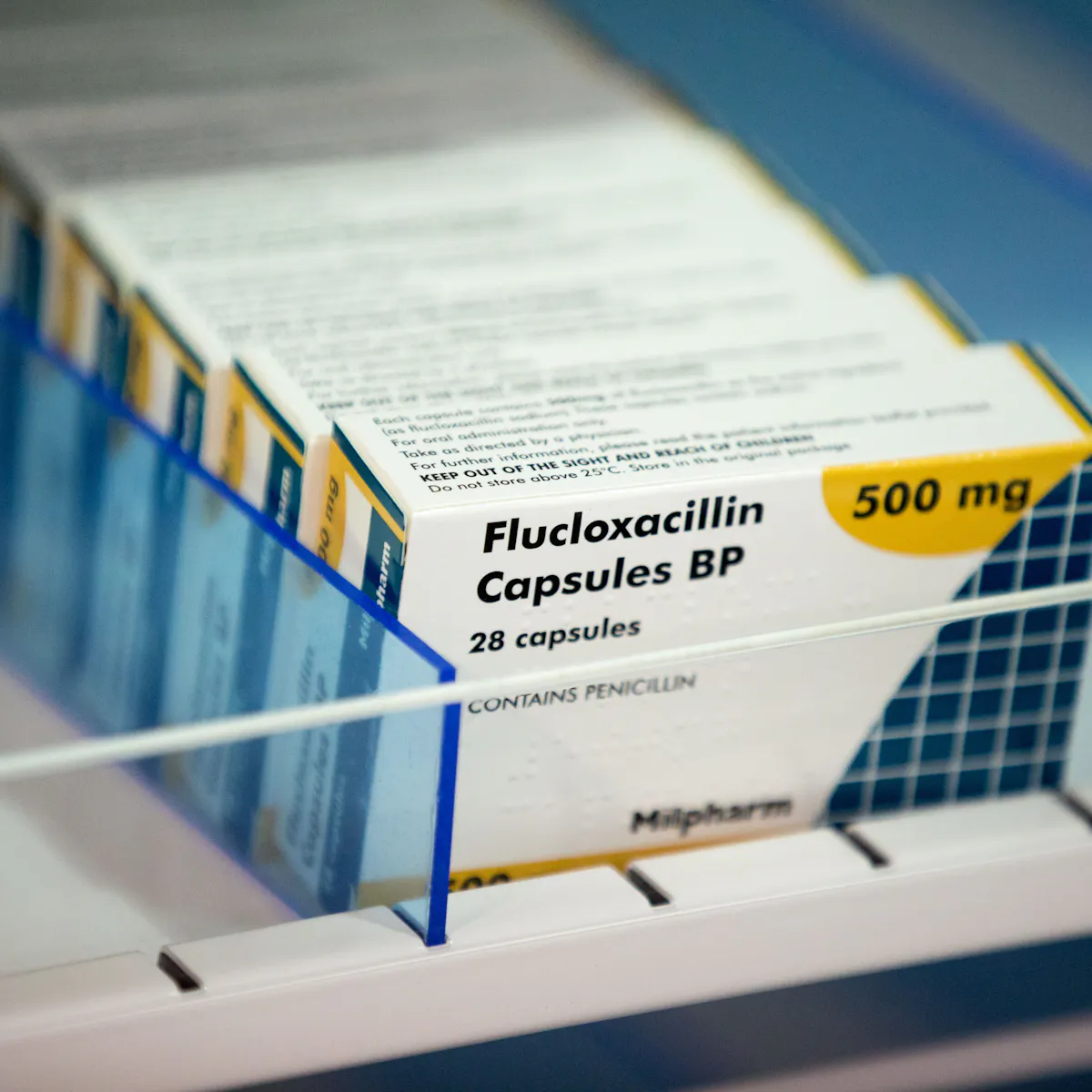
One of the greatest threats to healthcare systems, around the world, is antibiotic resistance. The lack of effective antibiotics and the emergence of bacteria that are resistant to the drugs we have has resulted in the antibiotic resistance crisis.
More than 90% of people will be prescribed an antibiotic at some point in their lives. But prescribing antibiotics is a finite process. We do not have an endless supply of antibiotics to replace those that are no longer effective, and hardly any new antibiotics are being developed. In the meantime, bacteria have become resistant to more of the antibiotics in routine use and even to antibiotics of last resort (drugs with severe side-effects that are only used when all other antibiotics have failed).
Robert Perry/EPA
We have now reached a point where infections are being seen in hospitals around the world that are resistant to all known antibiotics.
Secondary infections
The COVID-19 pandemic has led to huge numbers of people with compromised immune systems being admitted to hospitals, which are a known breeding ground for drug-resistant bacteria. Because of this influx, these hospital-associated bacteria will now have a much wider potential target group.
Emerging evidence suggests that high numbers of COVID-19 patients are being diagnosed with secondary infections while in hospital. The source and specific nature of these infections are yet to be fully explored, but there is some evidence that multidrug-resistant bacteria are among the germs causing these secondary infections.
These secondary infections appear to be having an impact on patient survival, with data from Wuhan showing that half of all COVID-19 patients who died had a secondary infection. That is because many of these hospital-associated bacteria are specifically adapted to establish infection in people with a weakened immune system.
History suggests that the mortality rate of viral pandemics is heavily influenced by secondary bacterial infections with large numbers of people in the 1918 and the 2009 flu pandemics succumbing to secondary bacterial infections rather than the virus itself.
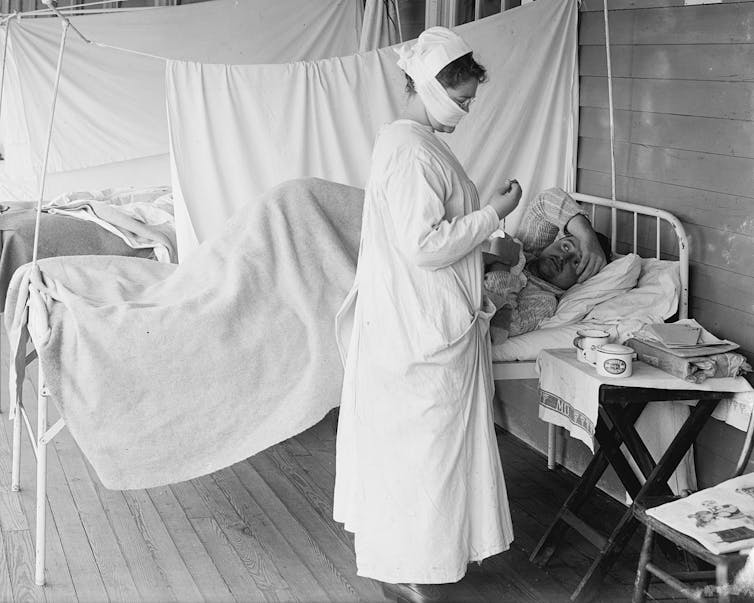
Many of the patients who died during the 1918 flu pandemic, died of secondary infections. Harris & Ewing/Wikimedia Commons
The other factor that will have a significant impact on the antibiotic resistance crisis is the widespread use of antibiotics in COVID-19 patients.
Emerging data suggests that more than 90% of COVID-19 patients are also receiving antibacterial treatment. This rapid increase in antibiotic use, particularly in hospitals, will apply a strong selective pressure on bacteria to evolve resistance. This will probably contribute to an increase in the incidence of drug-resistant infections in the months and years after the pandemic is over.
A report published in 2016 suggested that by 2050, 10 million people a year could die from antibiotic-resistant infections. Given this prediction did not account for the devastating impact of COVID-19, this timeline will almost certainly have to be revised.
However, concerted efforts are being made to better understand antibiotic use in COVID-19 patients. The US Department of Defense has just launched a study to track antibiotic usage and the rate of secondary infections among COVID-19 patients. The results of studies such as this will help guide doctors on when and how to prescribe antibiotics for COVID-19 patients.
New drugs
According to the World Health Organization, 252 antibiotic drugs are in preclinical development – that is, they are currently being tested on animals. Unfortunately, only between two and five of these drugs will make it to market over the next decade.
One of the biggest hurdles in bringing these drugs to market is the prohibitive costs, which can be up to US$1 billion per drug (£816 million). This makes it difficult to recover investment and places a huge financial burden on the companies developing these drugs, many of which collapse under the strain. By addressing this financial burden and making the development of new antibiotics a global research priority, similar to what is being seen in the efforts to develop a COVID-19 vaccine, we can ensure more of the antibiotics being developed make it to market.
Hopefully the response to the COVID-19 pandemic can be used as a blueprint in global cooperation to tackle the antibiotic resistance crisis, a threat that has the potential to cripple our healthcare systems and medicine as we know it.
Ronan McCarthy, Lecturer in Biomedical Sciences, Brunel University London
This article is republished from The Conversation under a Creative Commons license. Read the original article.


