

econintersect.com
  • 토토사이트
    • 카지노사이트
    • 도박사이트
    • 룰렛 사이트
    • 라이브카지노
    • 바카라사이트
    • 안전카지노
  • 경제
  • 파이낸스
  • 정치
  • 투자
No Result
View All Result
  • 토토사이트
    • 카지노사이트
    • 도박사이트
    • 룰렛 사이트
    • 라이브카지노
    • 바카라사이트
    • 안전카지노
  • 경제
  • 파이낸스
  • 정치
  • 투자
No Result
View All Result
econintersect.com
No Result
View All Result

A Perspective on U.S. Gasoline Prices for the Fourth of July Weekend

admin by admin
7월 6, 2014
in 미분류
0
0
SHARES
0
VIEWS

by Tim Hess, U.S. Energy Information Agency

On Monday, June 30, the national average retail gasoline price was $3.70 per gallon. Although this is the highest average heading into the Fourth of July holiday since 2008, gasoline prices in 2014 have remained well below the spring peaks reached in each of the previous three years (see graph).

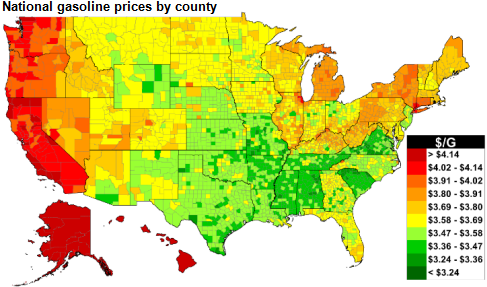
map of national gasoline prices by county, as explained in the article text
Source: Provided by GasBuddy.com

Although prices are currently 20 cents per gallon higher than last year at this time, prices this year did not peak as high as in recent years because of relatively stable crude oil prices in 2014. The peak retail gasoline price this year was $3.71/gal on April 29, lower than last year’s spring peak of $3.78, and lower than price peaks in 2011 and 2012.
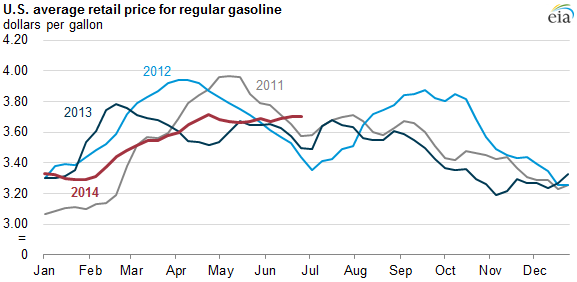
graph of U.S. average retail price for regular gasoline, as explained in the article text
Source: U.S. Energy Information Administration, Gasoline and Diesel Fuel Update

So far this year, the average price of gasoline has been $3.54/gal, the lowest for the first six months of the year since 2011.

Since April, the increase in wholesale gasoline prices is lower (in percentage terms) than the recent increase in crude oil prices: 3.5% for gasoline compared to 7.2% for North Sea Brent. Typically during this time of year, petroleum refineries return to service from seasonal maintenance outages, which tends to lower wholesale product prices, including gasoline. This year, crude oil prices have increased in part because of unrest in Iraq, a major crude oil producer. These factors have largely offset each other, leaving retail gasoline prices relatively unchanged. World crude oil prices have fallen by $4 per barrel from a 2014 peak of $115 per barrel on June 19. If sustained, this should help bring gasoline prices down in the coming weeks.

Previous Post

Why Timid Reforms of Central Banks Won’t Work

Next Post

Documentary of the Week: The Case Against the Fed

Related Posts

Bitcoin Is Finally Trading Perfectly Like 'Digital Gold'
Economics

Bitcoin Is Finally Trading Perfectly Like ‘Digital Gold’

by admin
Namibia Will Regulate And Not Ban Crypto With New Law
Finance

Namibia Will Regulate And Not Ban Crypto With New Law

by admin
6,746 ETH Valued At $12M Was Just Burned
Economics

6,746 ETH Valued At $12M Was Just Burned

by admin
Bitcoin Is Steady Above $29,000 Awaiting US NFP Figures
Economics

Bitcoin: What Next After Consolidation Ends?

by admin
US Government Offloads Another 8,200 Bitcoin – On-chain Data
Economics

US Government Offloads Another 8,200 Bitcoin – On-chain Data

by admin
Next Post

Documentary of the Week: The Case Against the Fed

답글 남기기 응답 취소

이메일 주소는 공개되지 않습니다. 필수 필드는 *로 표시됩니다

Browse by Category

  • Business
  • Econ Intersect News
  • Economics
  • Finance
  • Politics
  • Uncategorized

Browse by Tags

adoption altcoins bank banking banks Binance Bitcoin Bitcoin market blockchain BTC BTC price business China crypto crypto adoption cryptocurrency crypto exchange crypto market crypto regulation decentralized finance DeFi Elon Musk ETH Ethereum Europe Federal Reserve finance FTX inflation investment market analysis Metaverse NFT nonfungible tokens oil market price analysis recession regulation Russia stock market technology Tesla the UK the US Twitter

Categories

  • Business
  • Econ Intersect News
  • Economics
  • Finance
  • Politics
  • Uncategorized

© Copyright 2024 EconIntersect

No Result
View All Result
  • 토토사이트
    • 카지노사이트
    • 도박사이트
    • 룰렛 사이트
    • 라이브카지노
    • 바카라사이트
    • 안전카지노
  • 경제
  • 파이낸스
  • 정치
  • 투자

© Copyright 2024 EconIntersect