


Written by Sig Silber
U.S. and World Agriculture: Plus an Expanded Weather Forecast Section
Updated at 4:30 p.m. EDT June 7, 2019 to reflect the updated Week 3 – 4 Forecast which is not favorable in a number of respects.
There probably is another week or two of wet weather but the pattern for a larger part of CONUS is slowly returning to normal for this time of the year. The very wet conditions and earlier cold conditions have led to a very slow start to crop planting and we provide a lot of information on that. It is an important ongoing story and we will continue to monitor the situation. The drought statistics are a little less good this week mostly with respect to the Northwest and Southeast but we believe the Southeast situation is temporary. As usual, we also include an update of the intermediate-term weather forecast.

Please share this article – Go to the very top of the page, right-hand side, for social media buttons.
It is important to understand that the impact of weather on economic activity varies from one place to another. In this article, we try to provide a broad view of the impacts focusing mostly on the U.S. but also to a lesser extent on the Rest of the World. |
Major Sources of Information Used in this Weekly Report
|
1. Special Reports and Highlights.
Slow start for major crops. (But it is not clear how this will impact the final harvest)
First, we look at corn.

Then Soybeans

Severe Weather


| Last Week | Current Week |
|
|


Looking Ahead re Agriculture Field Work
| Last Week | This Week |
|  |

But for some areas, it was good news.

The Western Reservoir Situation.

Looking at California

2. Summary of Intermediate-Term Weather Forecast (helpful to predict drought and floods etc)
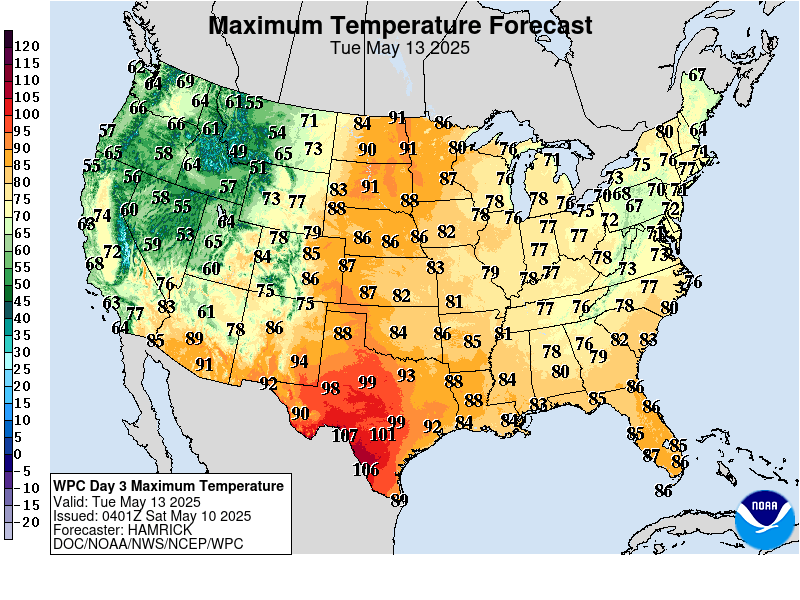
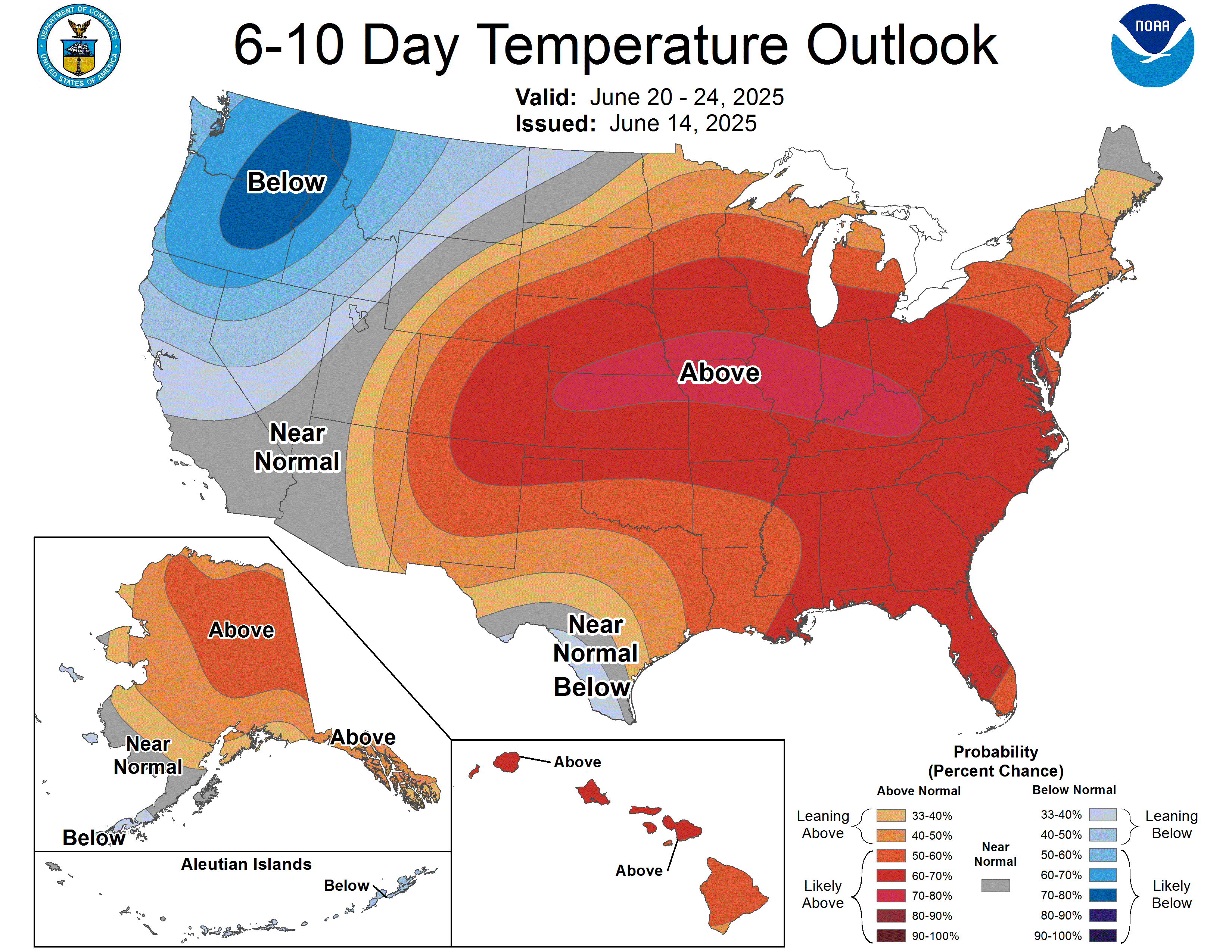
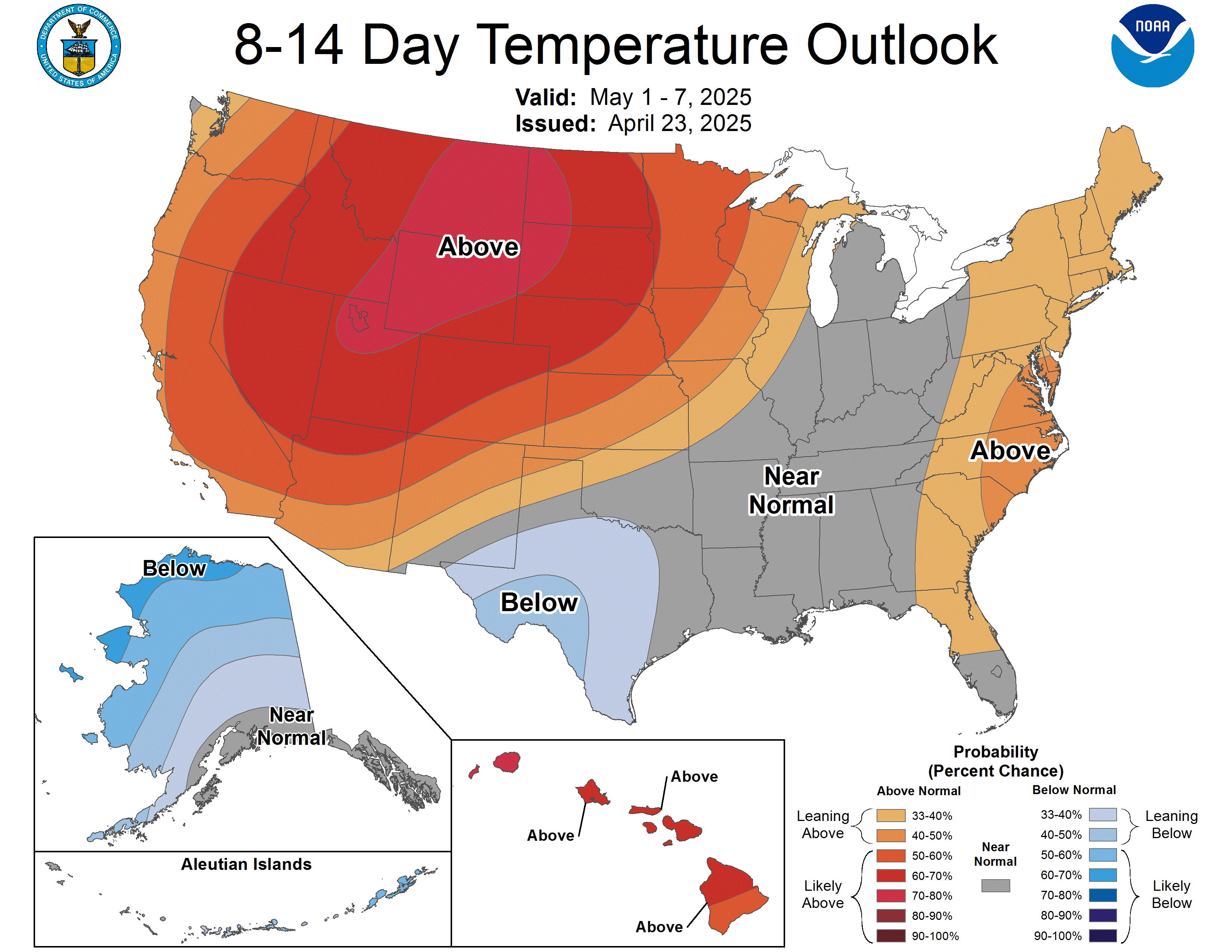
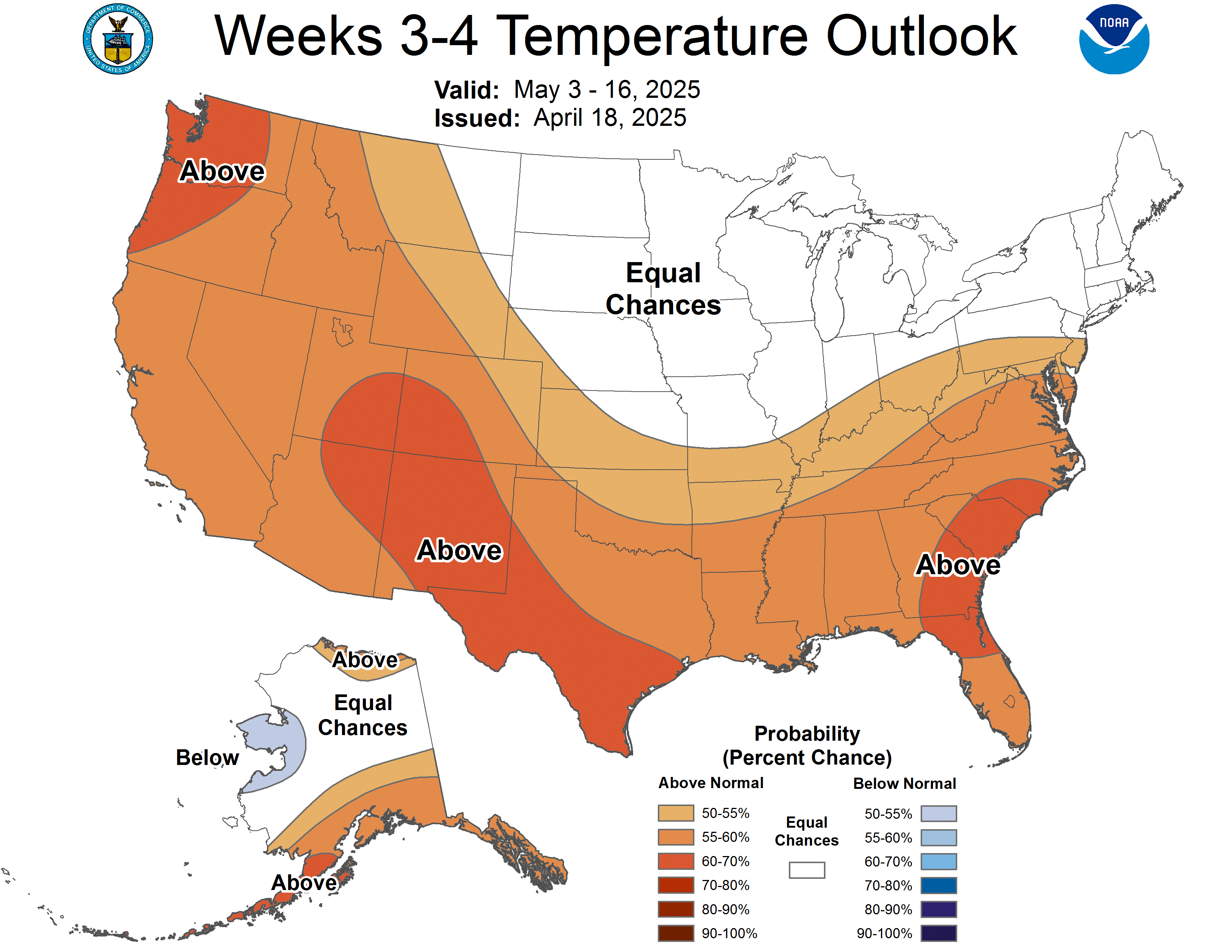
Here is the summary of the forecast for the next approximately twenty-five days. We provide this so that we can make our own assessment of the drought forecast. Here I provide the weather forecasts for different periods of time in which should allow the reader to assess the likelihood of this forecast working out as shown over the next three to four weeks. Since we publish this week on Thursday, we generally update the discussion for the Week 3 – 4 forecast when it is updated on Friday. This is important as the current Day 6 – 14 forecasts and the week-old week 3 – 4 forecast overlap to some extent.
Later we provide additional information relative to the weather forecast analysis but here is the summary.
First Temperature
|
|
|
|
The graphic above shows magnitude rather than the probability of being higher or lower than Normal and shows the middle day of the five day period. | The cool anomaly is forecast to moderate between Week -1 and Week – 2. Remember for this purpose, what NOAA calls Week – 1 is Days 6 -10 and Week – 2 is days 8 – 14. The transition from the 8 – 14 day forecast shown above to the week 3/4 forecast seems feasible. The week 3-4 graphic was updated on June 7, 2019. Re drought, it is not good news for the Northwest and for crops it is not good news either re rapid catch up. Warmer would be better. | ||
And then Precipitation
|
|
| |
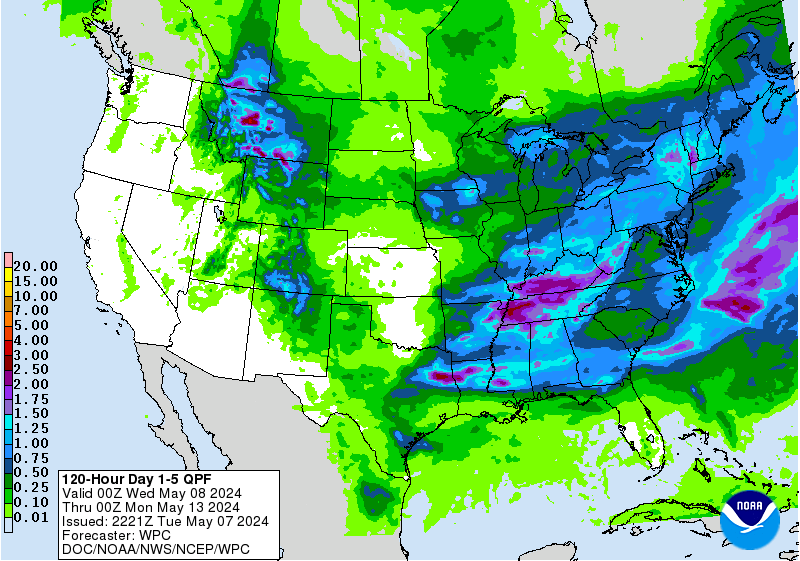
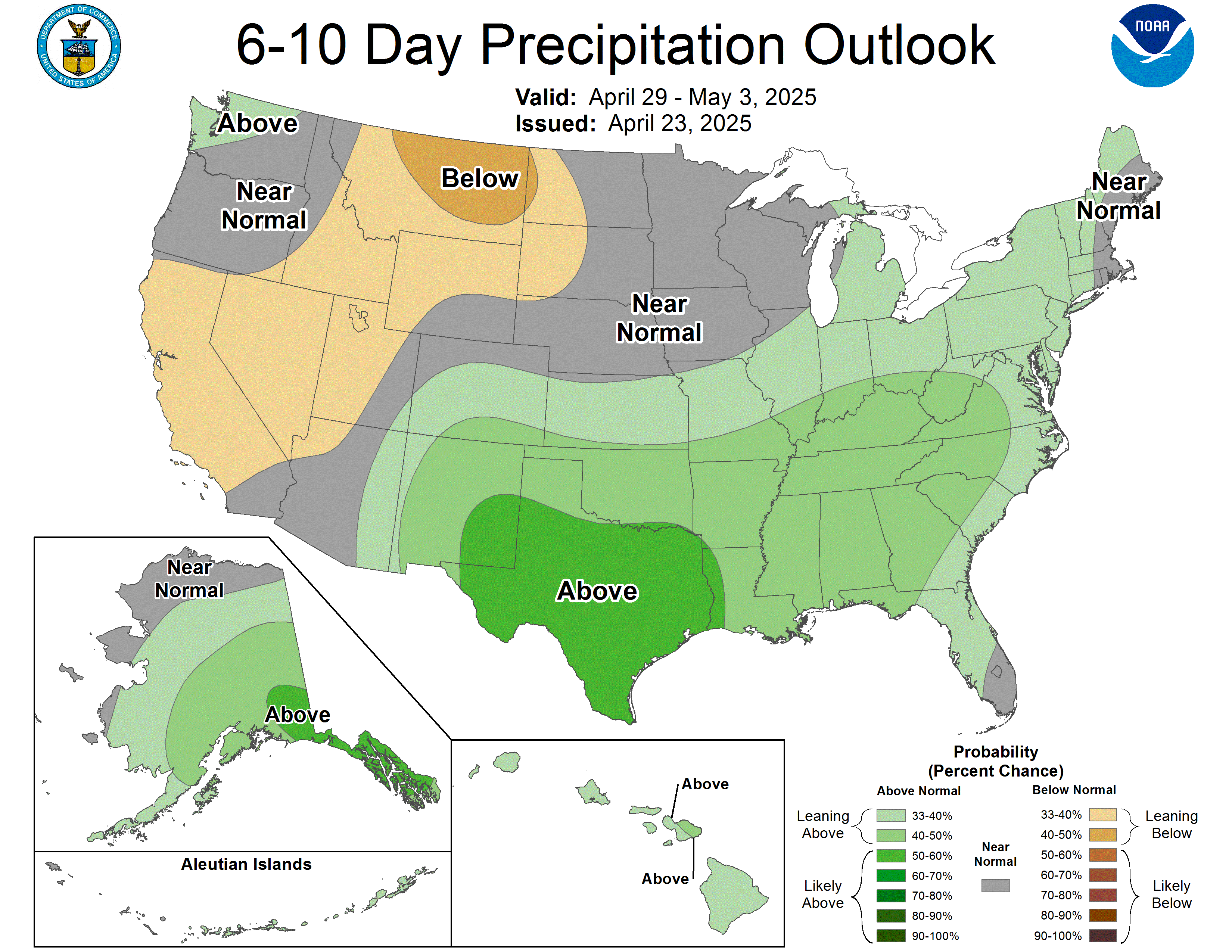
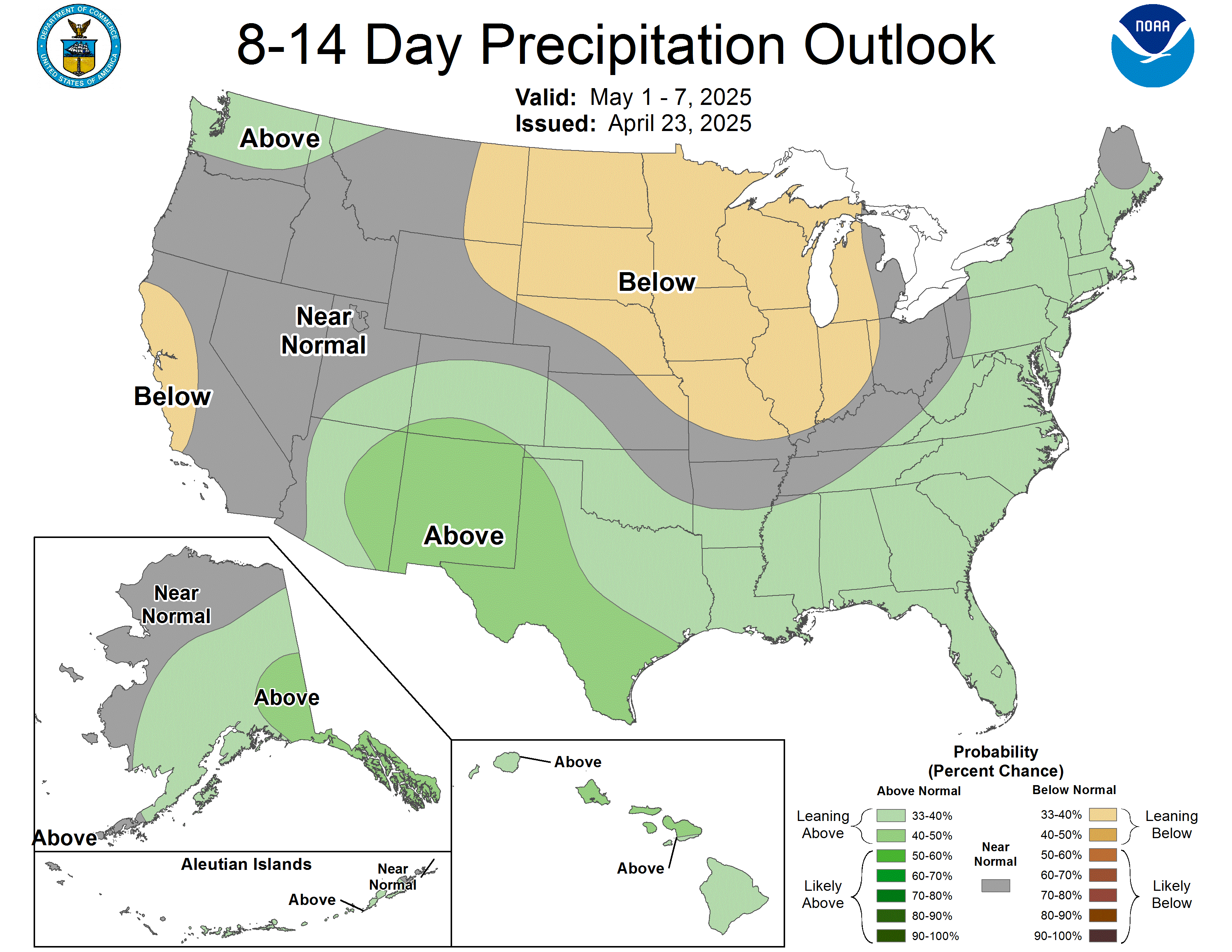
The five-day QPF is shown above. The units are different than the other maps i.e. in units of precipitation (inches) not probabilities of exceeding or being less than climatology. | A complicated forecast. The transition from the 8 -14 day forecast shown above to the week 3/4 forecast does not seem likely for the eastern third of CONUS but we will see. The week 3-4 graphic updated on June 7, 2019. Not so good for the Northwest. Combined it may not be that great for part of the Southeast like South Carolina but that is implying a level of precision to these forecasts that may not be justified.And | ||
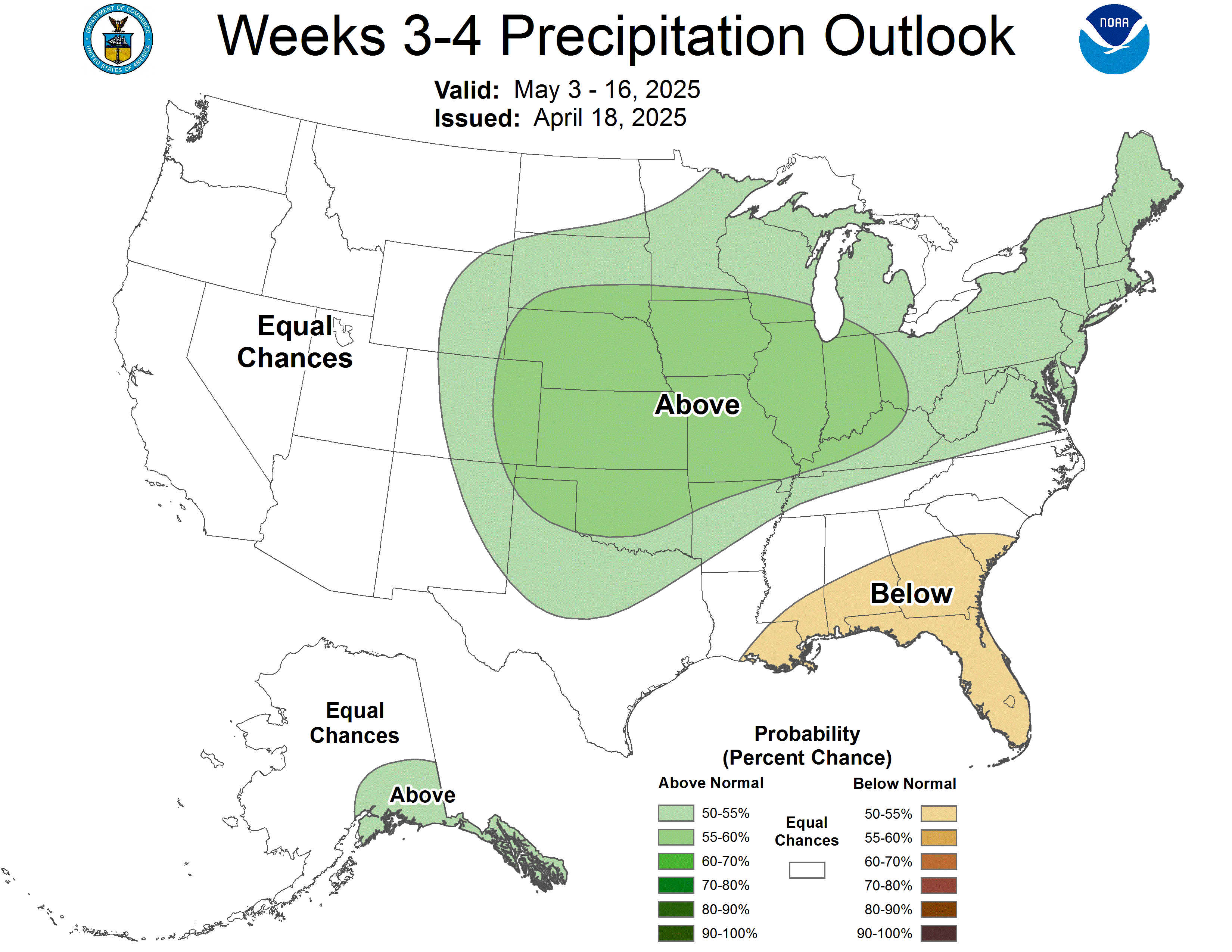
And here is the discussion released with the Week 3 – 4 Update.
Week 3-4 Forecast Discussion Valid Sat Jun 22 2019-Fri Jul 05 2019
Most of the sea surface temperatures throughout the equatorial Pacific remain above normal, coincident with a weak El Nino pattern. A moderate MJO is located in Phase 3 over the eastern Indian Ocean. Forecast models seem to be in agreement that the MJO will continue into Phase 4, but interfering Rossby and Kelvin wave activity causes the models to collapse the MJO before it propagates east of the Maritime Continent. Most of the MJO’s forecast collapse is related to its OLR signature – the wind field is forecast to remain intact and traverse the Americas into the Atlantic Ocean. Regardless of whether the models are correct about the MJO’s forecast, we expect that the general circulation is too weak to be forced by MJO or ENSO convection.
The forecast is based primarily on our calibrated dynamical model guidance (blends of the CFS, ECMWF, and JMA) as well as the SubX model suite. The forecast leans towards the ECMWF over regions where the models disagree most. The dynamical models generally agree that the strongest positive 500-hPa height anomalies will be over Alaska and the strongest negative height anomalies will be just south of the Aleutians and over the northern Atlantic. Over the CONUS, dynamical models are forecasting weak height anomalies of less than 10 meters. This sort of height pattern would lend itself towards a transient Week 3/4 forecast.
The temperature forecasts are also broadly consistent among the various models with anomalously warm temperatures forecast for Alaska and the Northwest CONUS and anomalously cold temperatures extending from central California northeast through New England. The ECMWF has the highest probabilities of anomalous cold over the central CONUS. The CFS has slightly weaker probabilities of below normal temperatures while the JMA has slight probabilities of above normal temperatures. The forecast is a blend of the calibrated CFS and ECMWF forecasts featuring the highest probabilities of warmth throughout Alaska and the Pacific Northwest, southern Arizona/western New Mexico, and most of Florida in addition to the aforementioned cold. The highest probabilities of greater than 60% for anomalously cold temperatures are over the central Plains and Mississippi Valley.
Similar to the temperature forecasts, the dynamical model precipitation tools are in good agreement. The highest probabilities of above normal precipitation are located over the central Plains and extend into the Ohio Valley. This area has been very wet during the past few months and interested parties are encouraged to watch the forecast carefully throughout the summer. Weak probabilities of below normal precipitation are forecast over much of Alaska, the northwestern CONUS and the Eastern Seaboard. Model guidance suggests that the Southwest monsoon will not begin early and therefore we have forecast below normal precipitation over parts of eastern Arizona and western New Mexico.
Above normal tempertaures are forecast for Hawaii since the SSTs are above normal and the CFS and ECMWF suggest that the region will stay anomalously warm throughout Weeks 3-4. There is also a model consensus of above normal precipitation, with the strongest probabilities over the southeastern islands.
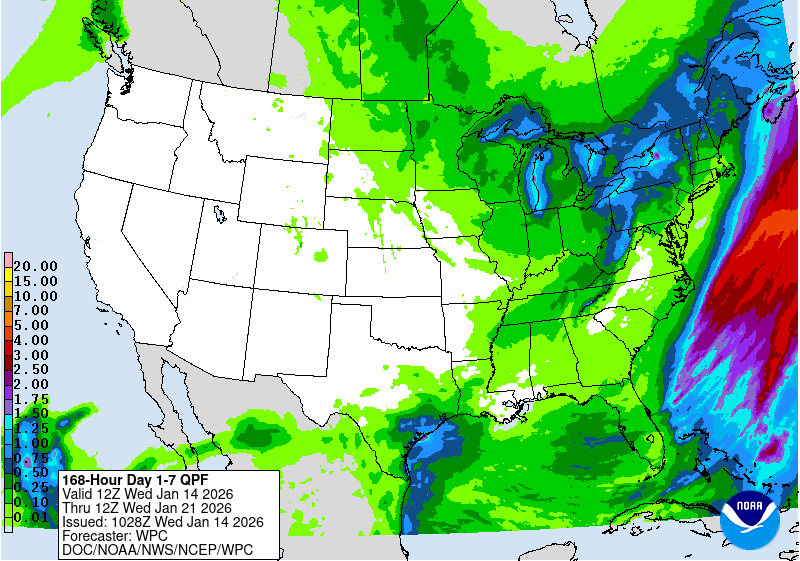
Additional Information on the forecast is provided later.
3. Present Drought Conditions
The U.S. Drought Monitor is a comprehensive way of understanding the drought situation for the U.S. It is issued every Thursday and reflects the conditions as of the prior Tuesday. Drought is defined as a moisture deficit bad enough to have social, environmental or economic effects. Thus, more factors than recent precipitation are considered and more information on how it is done is found at the end of this report.

Something relatively new and with a revised format this week concerns an area that is in drought probably due to the El Nino. This part of the world generally requires two inches of rain per week to avoid drought. You can see that about 8N is the dividing line between Moderate to no Drought and Severe to Exceptional Drought.

Below is the map for just CONUS and with statistics and below that map I have provided a cut-out of the statistics which I think you can click on to enlarge. When you click on graphics that I have set up to enlarge often with your mouse right click and then click on “view image” and that will work.
 |
 |
| Last Week | This Week |
| |

The graphic below shows the one-week change in drought intensity. Yellow is bad. Green is good.
|

Now we show the week to week change information by region. The yellow is where the drought has been upgraded. The green is where the level of drought has been downgraded.
 |
Deterioration in North Dakota |
 |
| Mixed in Kentucky |
 |
| No Change |
 |
Mixed in Texas but deterioration in Tennessee. |
 |
| Deterioration in all the Southeast states – That was as of June 4 and should improve this week. |
 |
Deterioration in Washington State and Oregon with only small changes elsewhere. |
Some may find this way of looking at things useful and I hope these graphics are not too small to read. I did not make them so you could click on them individually but you can click on the whole graphic and it may enlarge. But I think you get the picture. It has been a rapid onset and demise. When you read these graphics, remember that the older graphics are not the drought conditions that existed then but the change from then until now.

Some might find this animation of twelve weeks of change useful;

Here is the discussion which was issued with the Drought Monitor today.
This Week’s Drought Summary
This U.S. Drought Monitor week saw further deterioration in drought-related conditions across portions of the Southeast and lower Mid-Atlantic where persistent hot and dry weather stressed dryland crops, depleted soil moisture, and reduced streamflow activity. Some relief may be on the way during the next week, however, as heavy rains are expected to impact the region. In the South, beneficial rains helped alleviate small areas of drought in the Trans Pecos region of Texas while areas of Abnormally Dry (D0) were introduced on the map across Tennessee in response to short-term dryness and hot temperatures. In the Midwest, severe weather outbreaks and areas experiencing flooding continued to impact parts of the region. According to NOAA’s National Center for Environmental Information (NCEI), several states in the Midwest including Iowa and Minnesota experienced their wettest 12-month period (May 2018 – April 2019) on record. In the High Plains, dry conditions during the past month led to introduction of areas of moderate drought in north-central North Dakota. Out West, drought conditions intensified in western Washington where streamflow conditions are well below normal levels after a shallow snowpack this past winter.
Northeast
On this week’s map, the Northeast region remained drought-free. Average temperatures for the week were 2-to-8 degrees below normal in Upstate New York and New England while the southern locales were 2-to-10 degrees above normal. Light-to-moderate rainfall accumulations were observed across the region with the heaviest accumulations (3-to-6 inches) observed in western Pennsylvania. Elsewhere in the region, accumulations ranged from 1-to-2 inches.
Southeast
Drought conditions quickly intensified across portions of Alabama, Georgia, northern Florida, and South Carolina as a heat wave impacted much of the region this week. Temperatures soared into the mid to high 90s with areas in southeastern North Carolina reaching the low 100s. These excessively hot and dry conditions increased evaporative demand levels further drying soils in the region and stressing dryland crops in parts of Georgia, South Carolina, and along the Coastal Plain of North Carolina. According to the USDA (for the week ending June 2nd), the percentage of topsoil moisture by state rated short to very short was as follows: Alabama 76%, Florida 56%, Georgia 88%, South Carolina 95%, and North Carolina 57%. Streamflow levels dipped below the 10th percentile range at numerous creeks and rivers across Alabama, eastern portions of the Carolinas, and Georgia. On this week’s map, areas of Severe Drought (D2) were introduced in eastern South Carolina as well as in southeastern and southern Georgia. Additionally, areas of Moderate Drought (D1) expanded across northern Florida, southern Georgia, central South Carolina, and eastern North Carolina. For the 7-day period, average temperatures ranged from 2-to-10 degrees above normal, and the only significant rainfall accumulations (2-to-3 inches) were restricted to isolated areas in central Florida and northern North Carolina. Looking at the NWS Quantitative Precipitation Forecast (QPF), the region is expected to receive some much-needed precipitation later in this week with 7-day totals ranging from 2-to-6 inches.
South
Minor improvements were made on the map in small areas of Moderate Drought (D1) and Abnormally Dry (D0) in the Trans Pecos region of Texas where 1-to-4 inches of rain fell this week. In south Texas, short-term precipitation deficits during the past 30-day period led to the expansion of areas of Abnormally Dry (D0). In northeastern Mississippi and Tennessee, short-term precipitation deficits during the past 30 days and below-normal streamflow levels led to the expansion of areas of Abnormally Dry (D0). Conversely, Oklahoma has experienced a very wet period during the past 30 days with northern portions of the state recording rainfall accumulations of 6-to-12 inches above normal levels. According to the June 3rd USDA Oklahoma Crop Weather report, pasture and range conditions were rated 88% good to fair and livestock condition was rated 92% good to fair. For the week, average temperatures were above normal across most of the region with the largest positive temperature anomalies observed in northern Mississippi and Tennessee where temperatures were 4-to-8 degrees above normal with maximum temperatures reaching the low to mid 90s. Conversely, average temperature were 2-to-6 degrees below normal across the western half of Texas. Some light-to-moderate rainfall accumulations (2-to-4 inches) were observed this week in northern Texas, southwestern Louisiana, and northern Arkansas.
Midwest
The region remained drought-free on the map this week. During the past 30-day period, parts of the region experienced outbreaks of severe weather including severe thunderstorms and tornadic activity as well as flooding. For the past 60-day period, precipitation has been well above normal (130% to 250%) across a large portion of the region. According to the USDA, the Midwest region topsoil moisture is at 50 to 70% in surplus. During the past 7-day period, the heaviest rainfall accumulations (2-to-4 inches) were observed in southern Iowa and northwestern Illinois. For the week, average temperatures hovered within a few degrees of normal across most of the region, with the exception of areas in northern Michigan and northern Minnesota where temperatures were 4-to-8 degrees below normal.
High Plains
On this week’s map, an area of Moderate Drought (D1) was introduced in north-central North Dakota in response to short-term precipitation deficits (30-90 days), dry topsoils, reports of stress to pastures, and low stock pond levels. According to the USDA, South Dakota topsoil was 52% in surplus with many areas experiencing flooded fields. For the week, northern portions of the region, including the Dakotas, experienced above normal temperatures with the largest positive anomalies ranging from 2-to-8 degrees above normal while southern portions of the region were a few degrees below normal. Overall, most of the region was dry during the past week with the exception of some isolated showers in Nebraska and eastern Wyoming.
West
On this week’s map, continued warm and dry conditions in the Pacific Northwest led to the introduction of Severe Drought (D2) in areas of western Washington including the Olympic Mountains where Water-Year-to-Date (since October 1st) precipitation at several NRCS SNOTEL stations has been well below normal ranging from the 14th to the 30th percentile. According to the USGS, the 7-day streamflow levels in rivers and creeks across western Washington and northwestern Oregon are flowing well below normal levels. In the Willamette Valley and coastal mountains of Oregon, areas of Abnormally Dry (D0) were added in response to the low streamflow levels and below normal precipitation during the past 30 days. In southwestern Montana, short-term dryness (past 30 days) led to the introduction of an area of Abnormally Dry (D0). In southeastern California and southwestern Arizona, areas of Abnormally Dry (D0) were removed as conditions have improved during the past year with precipitation in western Imperial County, California falling in the top 10% of percentile rankings. During the past week, average temperatures were well above normal across the Pacific Northwest, northern California, and the northern Rockies while the southern half of the region experienced below normal temperatures. Some isolated showers and thunderstorms were observed across the central Sierra, Great Basin, and eastern portions of Colorado and New Mexico.
Alaska, Hawaii, and Puerto Rico
No changes were made on this week’s map in Alaska, Hawaii, or Puerto Rico. In the Hawaiian Islands, conditions were generally dry for the 7-day period with the exception of some light-to-moderate accumulations (1-to-3 inches) on the Big Island. Average temperatures for the week ranged from 2-to-8 degrees above normal while the higher elevations of the Big Island experienced slightly cooler than normal temperatures. For the past 14-day period, maximum temperatures were 15 degrees above normal in the North Kohala district of the Big Island and in east Maui. In Alaska, generally dry conditions continued this week across most of the state with some light-to-moderate accumulations observed in parts of Southeast, Southcentral, and the Interior. Average temperatures for the week were above normal across Alaska with the largest positive anomalies observed in the Interior and northwestern region where temperatures were 5-to-10 degrees above normal. In Puerto Rico, moderate-to-heavy rainfall accumulations (3-to-10+ inches) were observed across northern, eastern, and parts of central Puerto Rico. Areas currently in Moderate Drought (D1), however, received accumulations of less than 2 inches.
Pacific Islands
In the U.S. Affiliated Pacific Islands, the weather pattern during this USDM week (5/29/19-6/4/19) consisted of a medley of surface troughs, tropical disturbances, and converging trade winds across parts of Micronesia, with some upper-level troughs and lows with their upper-level divergence mixed in, all superimposed atop or within a broader dry trade-wind regime. A near-equatorial trough or Inter-Tropical Convergence Zone (ITCZ) tended to dominate in southern Micronesia, while the dry trade winds held sway in the northern portions. South of the equator, a high pressure ridge spread dry air across American Samoa. Satellite-based estimates of 7-day precipitation (QPE) showed a band of 1- to 4-inches of precipitation that stretched east-west across Micronesia, mainly between about 2 degrees North to 7 degrees North, with a wider north-south spread over Yap State. Areas of 4+ inches of rain were embedded within this band. Less than an inch to no precipitation was indicated on the QPE north and south of this ITCZ band. The satellite QPE showed a few 1-inch blobs of precipitation near the Samoan Islands, but mostly little to no precipitation across the immediate area.
Saipan and Rota saw dry conditions this week with 0.24 inch and 0.44 inch, respectively, leaving both islands in extreme drought (D3-L for Saipan and D3-S for Rota). Saipan has been classified as D3-L due to dryness during the 6 months prior to May, but with recently wet conditions in May, while Rota is classified as D3-S since dryness has lasted less than 6 months. Guam received 0.96 inch of precipitation this week which follows the 1.72 inches of precipitation from last week. In total, 3.38 inches has accumulated since May 21. Extreme drought (D3-S) was changed to severe drought (D2-S) on Guam, where the “S” denotes that dryness has lasted less than 6 months.
Palau saw 2.93 inches of rain this week. Although the 2-inch weekly minimum needed to meet most water needs was met, precipitation has been below the 8-inch monthly minimum for four consecutive months. Severe drought with dryness that has lasted less than 6 months (D2-S) remains for the island.
Pingelap (2.30 inches; 2 days missing), Pohnpei (2.97 inches), and Kosrae (2.71 inches; 2 days missing) received adequate precipitation this week and remain free of drought and dryness. Woleai saw extremely abundant precipitation this week (6.28 inches) that was enough to fill up rain catchment tanks, per a local source. Severe drought (D2-S) was changed to moderate drought (D1-S; dryness has lasted less than 6 months). Kapingamarangi (1.15 inches; 2 days missing) did not reach the 2-inch weekly minimums needed to meet most water needs, but has seen wet conditions in previous weeks and months, leaving no concerns of dryness or drought at this time. Nukuoro saw 2.69 inches of rain this week (2 days missing) and Lukunor saw 3.53 inches (1 day missing). Both islands remain abnormally dry (D0-S) with dryness that has lasted less than 6 months. Yap saw 1.86 inches of rainfall this week and remains in severe drought (D2-S) with dryness lasting since February. Rainfall this week was well below the 2-inch threshold needed to meet most water needs at Fananu (0.74 inch) and Chuuk Lagoon (0.54 inch; 1 day missing) leaving severe drought (D2-S) on both islands.
Utirik (1.23 inch; 1 day missing) and Wotje (0.45 inch; 1 day missing) saw some rain this week, but totals were still well below the 2-inch weekly minimum needed to meet most water needs. Both islands remain in exceptional drought (D4-SL) due to dry conditions that have lasted more than 6 months. Ailinglapalap saw very little precipitation this week (0.05 inch), but had adequate precipitation in May (10.28 inches) so abnormal dryness remains (D0-S). Jaluit was also somewhat dry this week (1.13 inches), but saw a couple wet weeks in May leaving the atoll only abnormally dry (D0-S). Kwajalein received only 0.92 inch of rain this week, so moderate drought (D1-S) remains. In contrast, Majuro received abundant precipitation this week (3.05 inches) and over double the 8-inch monthly threshold in May (16.14 inches). Because of the recent wetness, moderate drought (D1-S) was changed to abnormal dryness on Majuro (D0-S). Mili also saw ample precipitation this week (4.06 inches) and in May (11.54 inches) leaving the island free of drought and dryness.
Although Pago Pago saw only 0.34 inch of rain this week, the last 11 months have seen ample precipitation and the island remains drought-free.
Virgin Islands
In the vicinity of the U.S. Virgin Islands, a series of troughs moved in bringing southeasterly winds, moisture, and unstable conditions at the beginning and through the middle of the U.S. Drought Monitor (USDM) week. Showers and thunderstorms brought relatively heavy rain to the area Wednesday through Friday, leading to the issuance of flash flood watches for the USVI by the National Weather Service in San Juan. Scattered showers were found around the islands over the weekend and into Monday.
Precipitation at King Airport on St. Thomas was 77% of normal in January, 130% of normal in February, 91% of normal in March, 38% of normal in April, and 76% of normal in May. One- and 3-month SPIs indicate D-nothing and low end D1 (moderate drought), respectively, while 6- and 9-month SPIs indicate D1 conditions. There has been 1.13 inches of precipitation this week and measurable rainfall nearly every day the last 10 days. Although precipitation was well below normal in April and the beginning of May, the adequate precipitation in February and March, showery conditions the last two weeks, and improving conditions evident in SPI values, indicate D0-L on St. Thomas. This implies abnormal dryness with lingering impacts from more intense drought earlier this year.
March and April were very dry on St. Croix, with Rohlsen Airport breaking the record for the driest March with 0.02 inch. However, May was relatively wet with 150% of normal precipitation observed at Rohlsen Airport, 122% of normal precipitation found at Christiansted Fort (with the whole last week of May still missing), 106% at Montpellier, and 181% at East Hill. Even though 3.70 inches of the May precipitation at Rohlsen airport fell on one day leading to runoff, there has been precipitation over multiple days since totaling 2.50 inches. Christiansted Fort also picked up 1.20 inches of precipitation on June 3 and Rohlsen Airport has seen 0.88 inch of rain this USDM week. One-, 3-, 6- and 9- month SPI values for Christiansted Fort indicate D0 and D-nothing. Six- and 9-month SPI values for Rohlsen Airport indicate D1 (moderate drought) and D2 (severe drought), respectively, while 1- and 3-month SPI values indicate no drought. With very dry conditions in March and April but wetter conditions in recent weeks, St. Croix is under D0-L indicating abnormally dry conditions with lingering impacts from previously drier conditions.
Precipitation at East End was 96% of normal in January, 103% of normal in February, 44% of normal in March and 32% of normal in April. From radar and observation derived estimates for St. John, it appears the island received between 2 and 6 inches of rain in May. This would indicate areas around the island received anywhere between about 70% (eastern part of the island) and 125% (central and western parts of the island) of normal precipitation (based on PRISM data 1971-2000 normals). One- and 3-month SPI values for East End using data through the end of April indicated D1 (moderate drought) conditions. However, with the estimated precipitation in May, St. John was determined to have D0-L conditions, i.e. abnormal dryness with lingering impacts from previously drier conditions.
Looking Ahead
The NWS WPC 7-Day Quantitative Precipitation Forecast (QPF) calls for moderate-to-heavy accumulations ranging from 2-to-7 inches across much of the South and Southeast. Further north, lesser accumulations (<2 inches) are forecasted for eastern Colorado and New Mexico, the southern Plains, Midwest, Northeast, and Mid-Atlantic. Out West, dry conditions are expected to prevail across the Great Basin and Desert Southwest while some lesser accumulations (<1 inch) are forecasted for the northern Rockies of Idaho and Montana as well as western Washington. The CPC 6 – 10-day outlook calls for a high probability of above-normal temperatures across the West with the exception of Colorado, New Mexico, and Wyoming where temperatures are expected to be below normal. Likewise, the eastern two-thirds of the continental U.S. is forecasted to be below normal with the exception of the Gulf Coast region and Florida. In terms of precipitation, there is a high probability of above-normal amounts in areas east of the Mississippi River as well as in Texas and eastern portions of the Desert Southwest while dry conditions are expected in the Pacific Northwest and northern Plains. In Alaska, above-normal temperatures are expected with above-normal precipitation in the southeast, southwest, and coastal areas of south-central.
Western Water Situation
Here is part of the explanation for the overall situation in the West. Looking at the information from the network of SNOTEL sites. These are mainly in remote locations often at high elevations. they report by telecommunications hence their name.
First the last seven days.

Then we look at the Water Year.

Then we look at how much snow there is to melt when it is warmer.
| Last Week | This Week |
 |
|

Wildfires are becoming more of a problem as we move towards summer.


4. Recent Weather
There is some new snow this week but not very much.

Here is the SWE (water content of the snow) version.

Last Seven Days
For reference purposes here is the precipitation information for the prior seven days. It is not the same as what is shown in the USDA Crop Report since the crop week covers the Sunday to Saturday period which corresponds to the crop reports. To avoid confusion, I have not included in this article the weather graphics that correspond to the crop week. But it is important to understand that the crop reports cut off on a Saturday, are reported on the following Tuesday, and the Drought Monitor is issued on Thursday so here are different lags for different sets of information presented.
Below is the current seven-day period and updates in this article automatically every day. It is a better tool for making forecasts.


Current Month to Date.

And then temperature

You can generate a wide variety of different graphics here.
5. Current Forecast for Precipitation and Drought.
Here is the Seasonal Forecast through August 31 which was issued on April 18, 2019 with the full Seasonal Outlook.
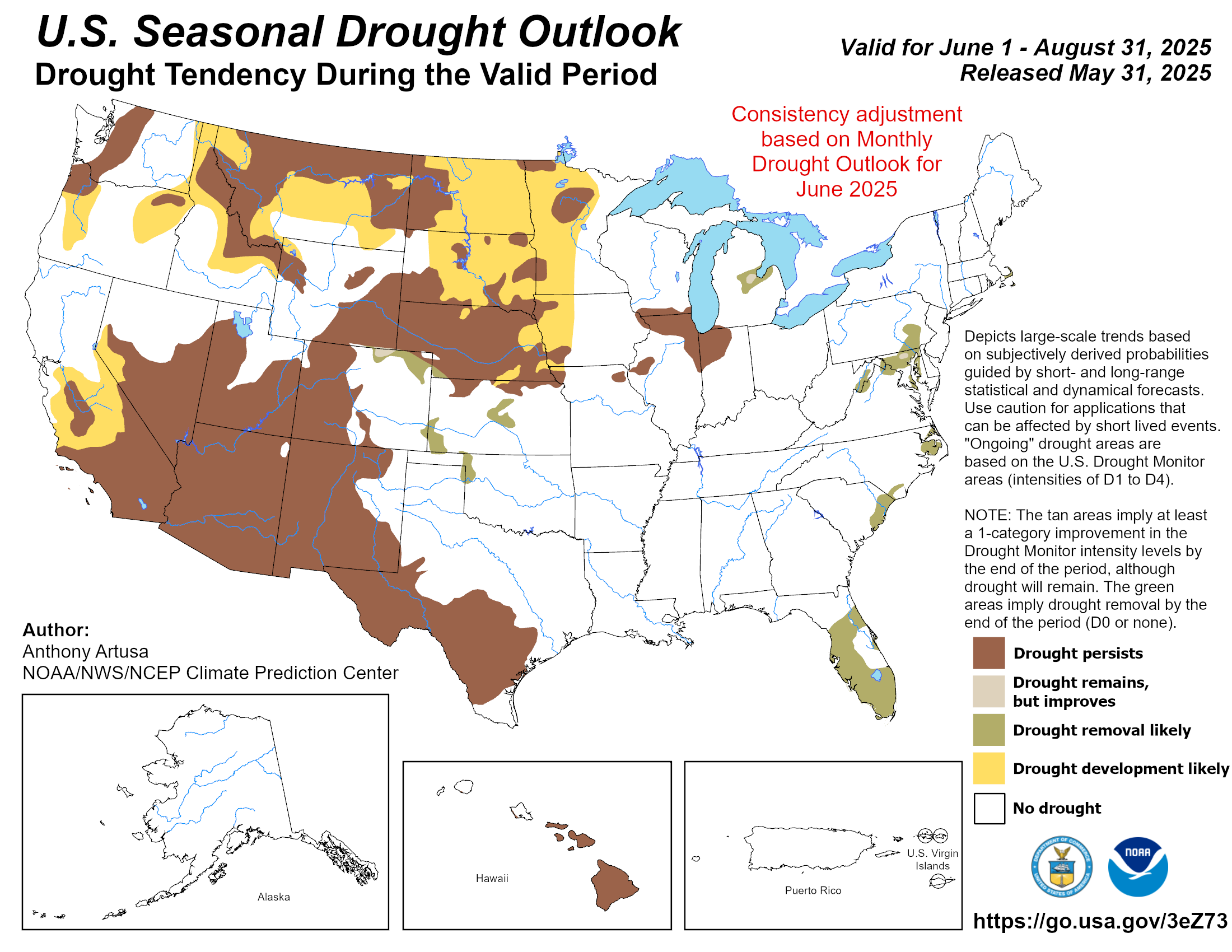
Here is the May one-month drought forecast which was issued on April 30, 2019.

These two forecasts are issued by the same agency but to obtain them you need to access two different links here and here. The three-month Seasonal Drought Outlook will be updated on May 16, 2019.
Additional Information Relative to the Intermediate-Term Forecast
We provided the summary approximately 25 Day Forecast earlier. Here is additional information that relates to this forecast.
First, the weather hazards forecast.
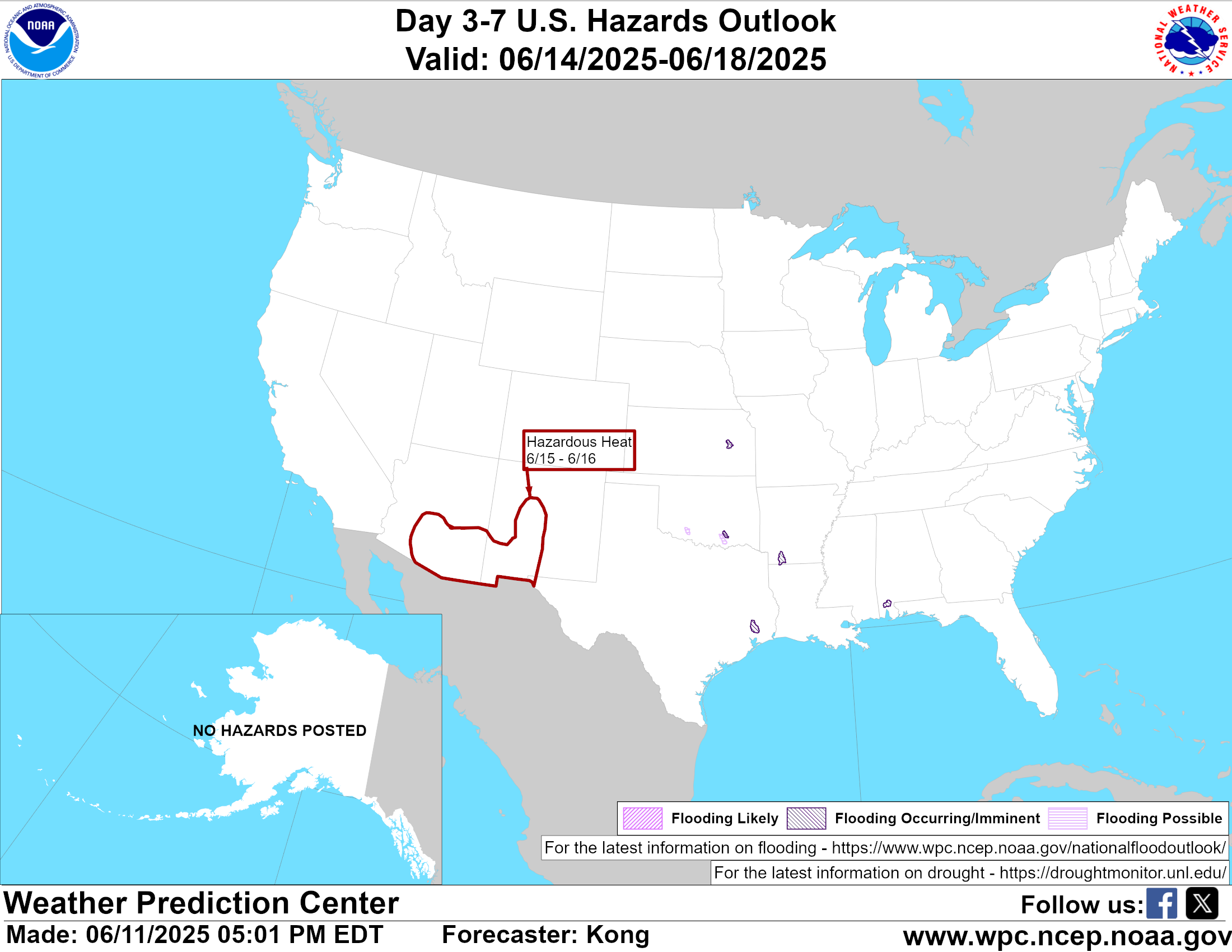
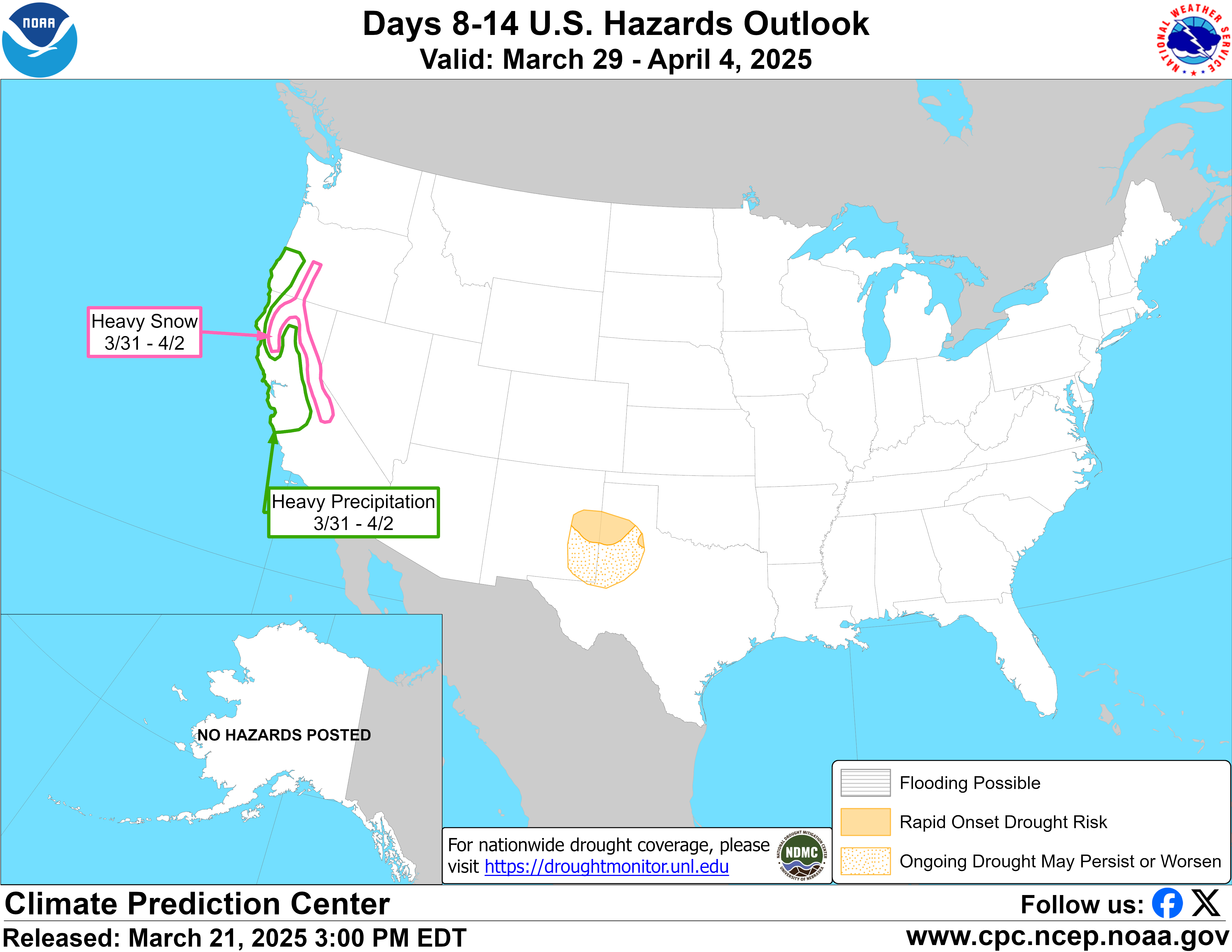
Additional information can be obtained here. We also now publish a Live Severe Weather article. The link to our Severe Weather Events article changes every Sunday night and the current version can always be found in the Directory which can be accessed here.
And we do not want to ignore floods which we also discussed in Section I.
| Last Week | Current Week |
|
|
Let’s see if this animation works.

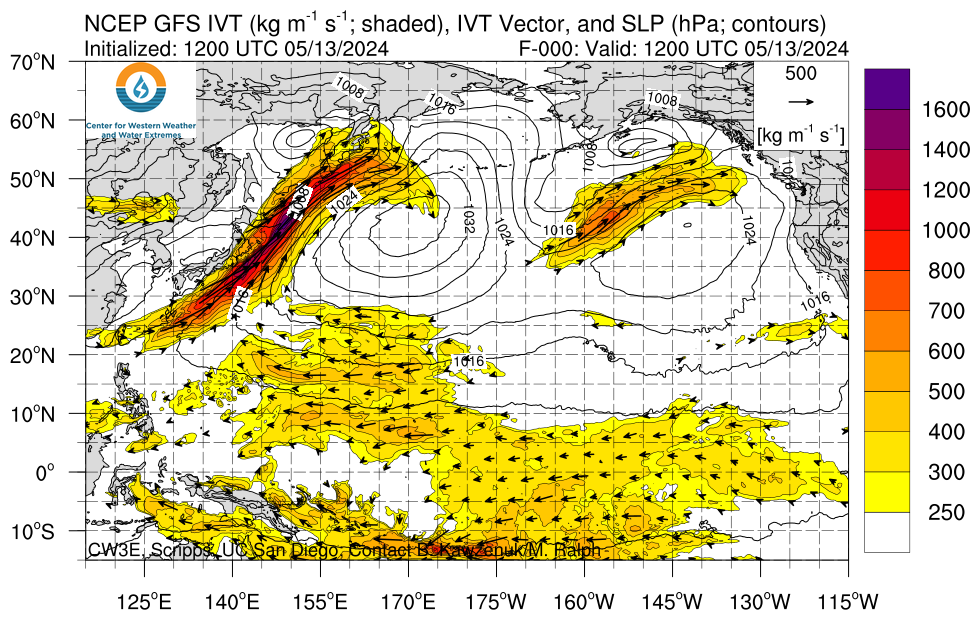
Here are additional useful graphics from my weekly report which update automatically. The forecast maps were shown in the Introduction.
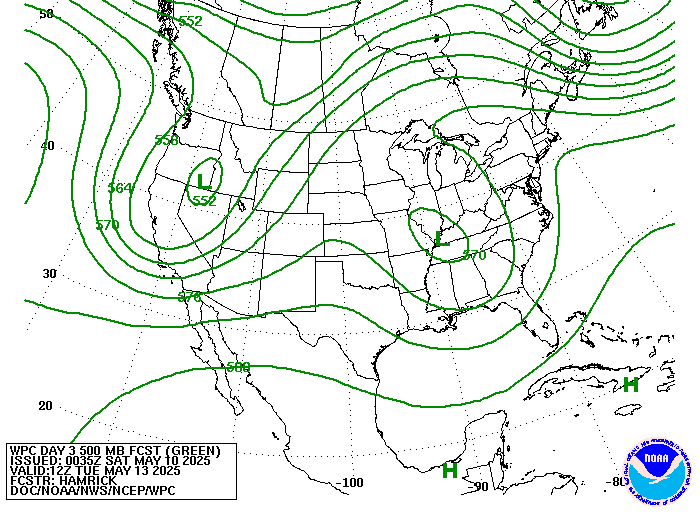
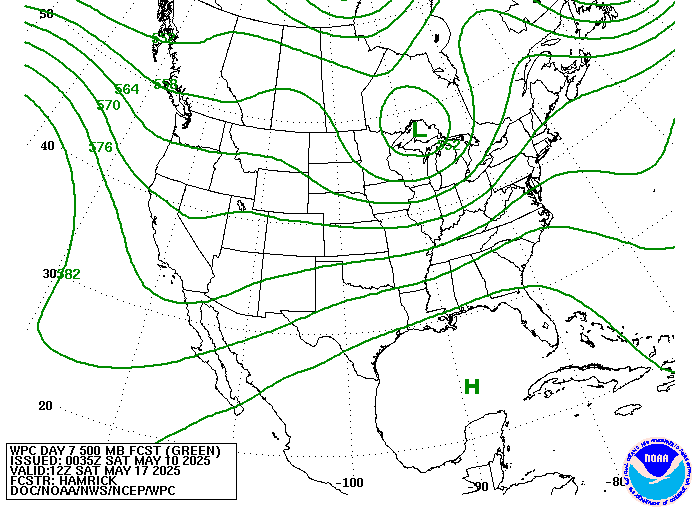
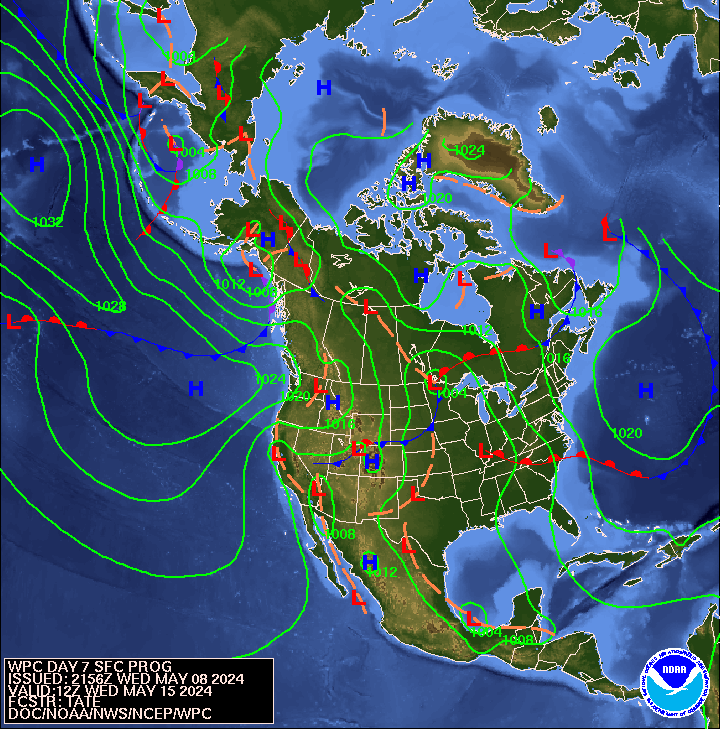
First the Day 3 Mid-Atmosphere pattern.
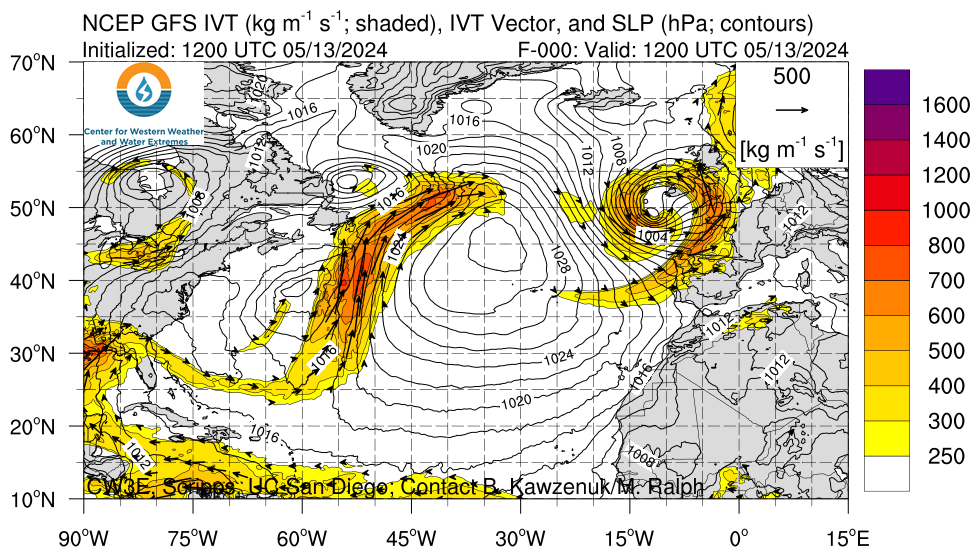
Here is a view to the east of CONUS
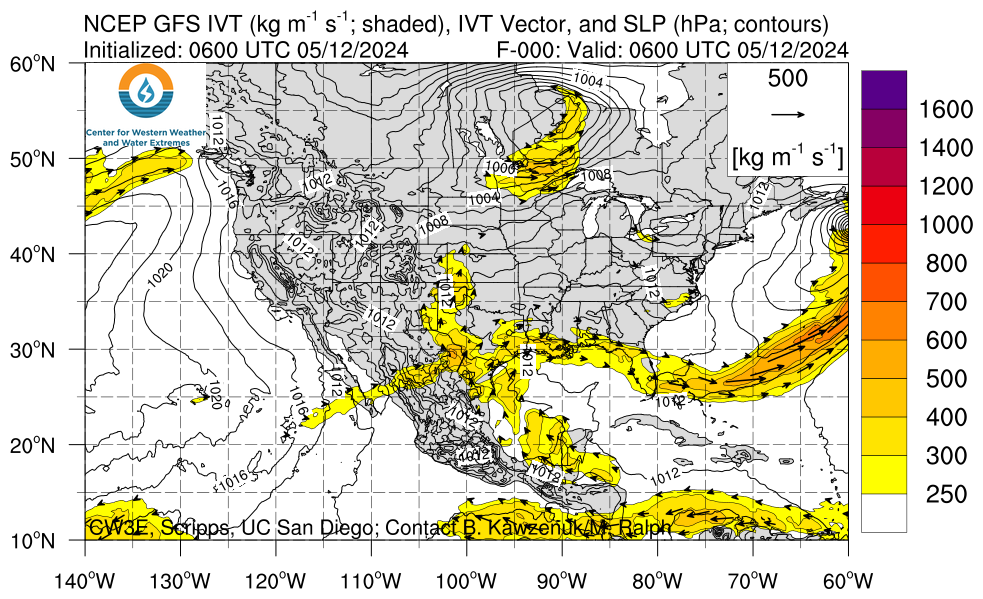
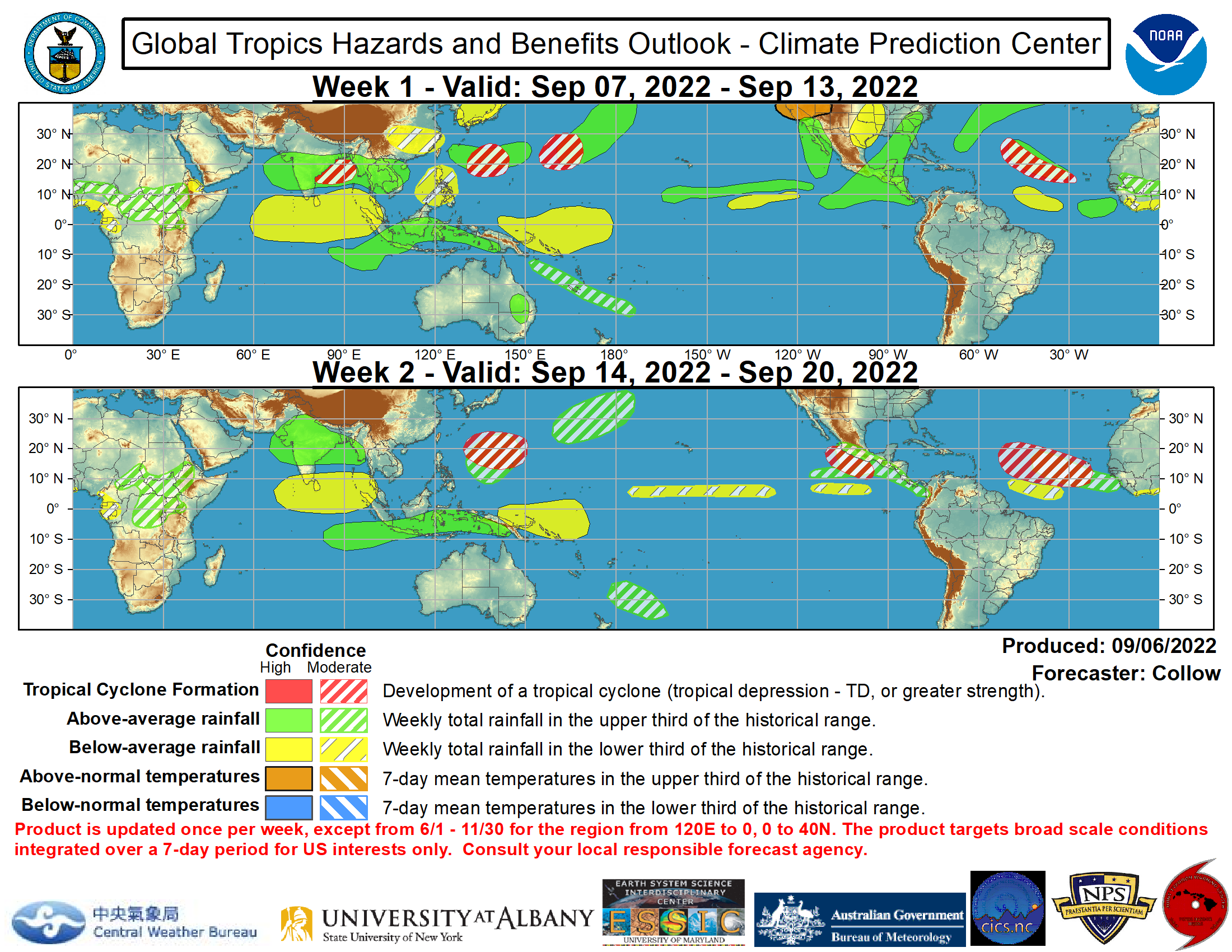
The below is of interest.
6. Soil Conditions and Crop Reports

We will now start reporting on evaporation

| Topsoil | Subsoil |
 |  |
Soil Conditions
|

Here is another way to look at it based on model results.
| Last Week | This Week |
|  |

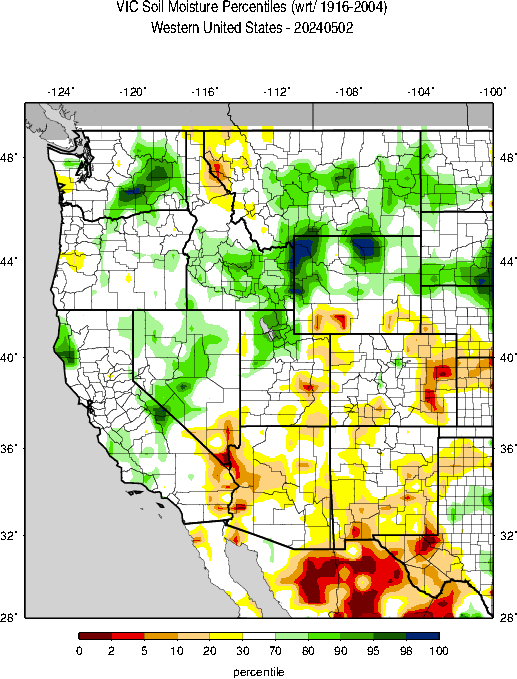
| And looking at the West. |
|

| Corn | Very Bad | Rice | Very Bad |
| Soybeans | Very Bad | Oats | Bad |
| Winter Wheat | Bad | Barley | Bad |
| Cotton | Slightly Bad | Spring Wheat | Bad |
| Sorghum | Very Bad | Peanuts | Good |
| Sugarbeet | Bad | ||
| Sunflowers | Bad |


7. International

A map helps and is not always available and is not available this week
8. Background Information


The sequence of drought occurrence and impacts for commonly accepted drought types. All droughts originate from a deficiency of precipitation or meteorological drought but other types of drought and impacts cascade from this deficiency. (Source: NDMC)
Source: National Drought Mitigation Center, University of Nebraska-Lincoln


