


from The Conversation
— this post authored by Richard S. Warr, North Carolina State University
In a healthy economy, prices tend to go up – a process called inflation.
While you might not like that as a consumer, moderate price growth is a sign of a healthy, growing economy. And, historically at least, wages tend to go up at about the same pace during periods of inflation.

Please share this article – Go to very top of page, right hand side, for social media buttons.
The U.S. Federal Reserve sees 2% inflation as the sweet spot for the economy, which is about its current level. But some economists, including those at the Fed, worry the economy is weakening, which would cause inflation to drop below its target – something it wants to avoid. The latest data, out June 12, suggested this may be happening.
As a result, the Fed signaled on June 19 that it is ready to cut interest rates for the first time in more than a decade to give the economy a boost, which could indirectly spur more inflation.
The problem is, too much inflation can also be a bad thing.
I’ve been studying how inflation affects markets for many years. Let me explain what it is – and why the Fed has a tough job ahead.
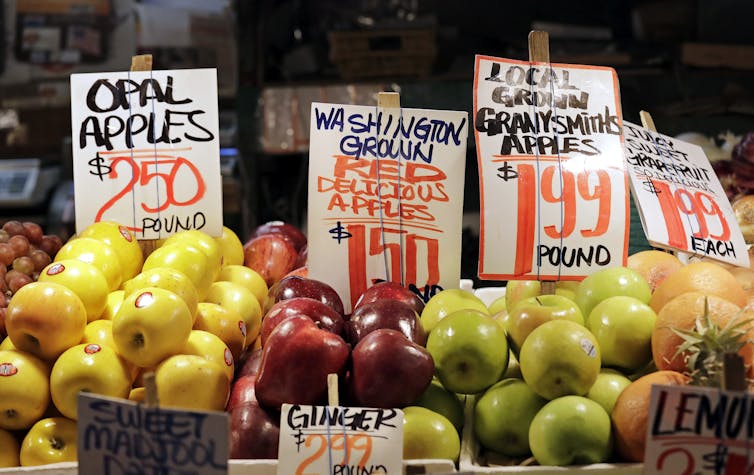
Prices may go up – but that’s not always a bad thing. AP Photo/Elaine Thompson
What is inflation?
Inflation is defined as the rate of change in the prices of everything from a bar of Ivory soap to the cost of an eye exam.
In the U.S., the most commonly used measure of inflation is based on something called the consumer price index. Simply put, the index is the average price of a basket of goods and services that households typically purchase. It’s often used to determine pay raises or to adjust benefits for retirees. The year-over-year change is what we call the inflation rate.
The current change in the index is around 2%. But this is an average across a range of categories. For example, over the last year, the price of tobacco products went up 4.6%, while the pricing of apparel actually fell 3%. Clearly, the actual change in cost of living will vary from person to person depending on how they spend their money.
The latest data from the Department of Labor showed a closely watched measure of inflation was lower than expected in May, a worrying sign that the economy may be growing too slowly.
A moderate amount of inflation is generally considered to be a sign of a healthy economy, because as the economy grows, demand for stuff increases. This increase in demand pushes prices a little higher as suppliers try to create more of the things that consumers and businesses want to buy. Workers benefit because this economic growth drives an increase in demand for labor, and as a result, wages usually increase.
Finally, these workers with higher wages go out and buy more stuff, and so this “virtuous” cycle continues. Inflation isn’t really causing all this to happen – it is merely the symptom of a healthy, growing economy.
But when inflation is too low – or too high – a “vicious” cycle can take its place.
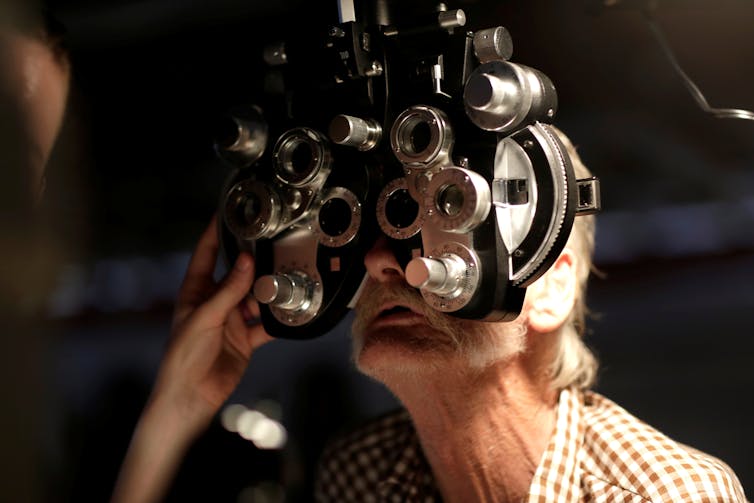
Better, worse, the same? Reuters/Joshua Roberts
Why low inflation is bad
Very low inflation usually signals demand for goods and services is lower than it should be, and this tends to slow economic growth and depress wages. This low demand can even lead to a recession with increases in unemployment – as we saw a decade ago during the Great Recession.
Deflation, or falling prices, is particularly bad. When prices are decreasing, consumers will delay purchases. For example, why buy a new washing machine today if you could wait a few months to get it cheaper?
Deflation also discourages lending because it leads to lower interest rates. Lenders typically don’t want to lend money at rates that give them a very small return.
Fortunately, deflation is rare in developed economies.
And too much can be even worse
But getting the balance right isn’t easy. Too much inflation can cause the same problems as low inflation.
If left unchecked, inflation could spike, which would likely cause the economy to slow down quickly and unemployment to increase. The combination of rising inflation and unemployment is called “stagflation,” and is feared by economists, central bankers and pretty much everyone else. It’s what can cause an economic boom to suddenly turn to bust, as Americans saw in the late 1970s.
The Fed managed to reduce inflation to normal levels only after driving up short-term interest rates to a record 20% in 1979.
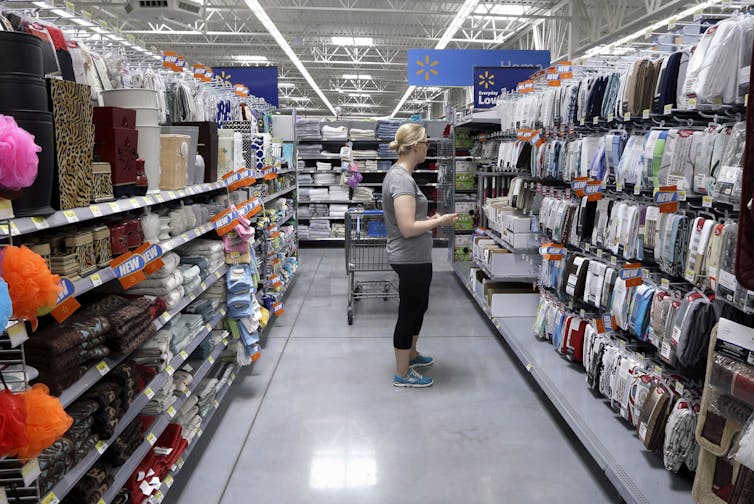
Even ‘everyday low prices’ go up. AP Photo/Danny Johnston
A balancing act
So returning to the current situation, the Fed has to tread carefully.
Cutting interest rates now should boost the U.S. economy but risks driving up inflation beyond “healthy” levels. If the Fed does nothing, inflation may fall as economic growth slows. Either path could lead to recession.
This is why the Fed is typically very cautious.
This article contains elements of a story originally published on Feb. 14, 2018.
Richard S. Warr, Professor of Finance, North Carolina State University
This article is republished from The Conversation under a Creative Commons license. Read the original article.
.


